 2
 0
In 1969, Neil Armstrong planted the American flag on the Moon and signalled victory in the Space Race over the Soviet Union in their battle for ideological supremacy. 57 years later, the United States and China are entering a conflict for control over space. This modern space race is the current battleground for the two superpowers of the 21st century, who are both seeking economic superiority over the other, in what is termed the ‘Second Cold War’.
On September 14, 2026, Air Force Secretary Troy Meink publicly confirmed that the United States has deployed “on-orbit space control weapons”. This deliberate show of force was intended to deter adversaries in an increasingly hostile orbit. The admission of space weapons led foreign nations, such as China, to respond by warning the United States that it is actively fuelling a dangerous arms race in outer space.
The weapons that the Americans claim to have in space reflect a deeply divided economy back on Earth. A modern military satellite is functionally useless without the advanced semiconductors required to process vast amounts of data in real-time. In this world, superpowers are aggressively trying to isolate each other and hoard advanced technologies – such as AI microchips – that are required to run these space systems. To compete, the United States and China are forcing other nations to pick sides in terrestrial trade wars, and dragging those same alliances into orbit.
The divisions on Earth are rapidly laying the political groundwork for how outer space will be governed. There are now two global coalitions fighting for control of the Moon. The United States heads the Artemis Accords, an alliance with 76 members (as of September 2026). Crucially, this coalition relies heavily on private, venture-backed companies to lower launch costs, representing the West’s attempt to write the commercial and security framework for space exploration.
In direct opposition, China and Russia are leading the International Lunar Research Station (ILRS), a massive joint project designed to build a competing Moon base. For the casual observer, this dynamic is simple: it is the 21st-century version of NATO versus the Warsaw Pact, just playing out in orbit.
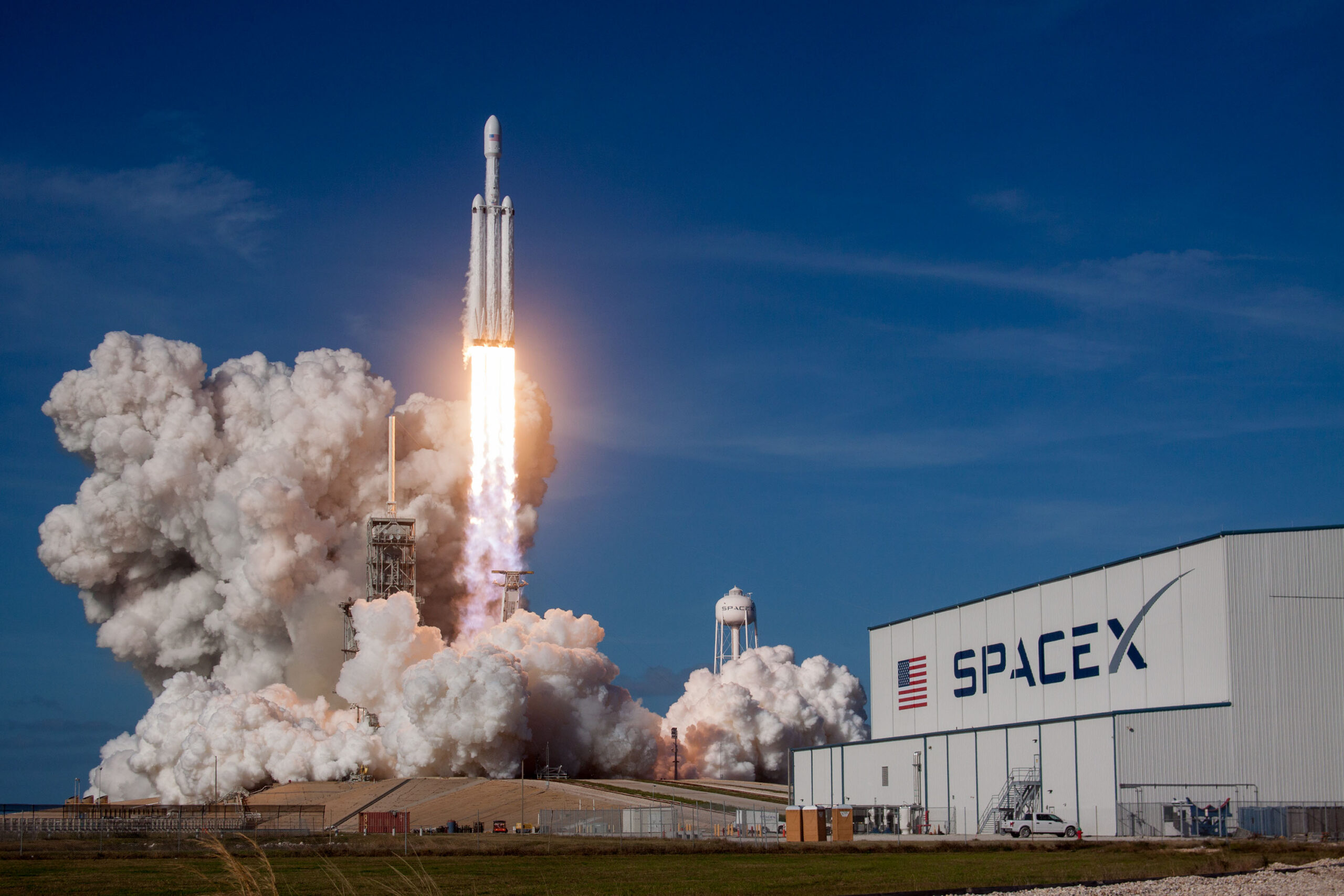
What makes this Second Cold War entirely unique is the privatisation of the battlefield. During the Apollo era, governments built and owned every bolt of their rockets. Today, Western defence strategies are fundamentally reliant on commercial tech giants and venture-backed startups.
When Washington projects power into orbit, it often does so by hitching a ride on commercial launch vehicles or buying data from private satellite constellations. This reliance on the private sector gives the West incredible speed and innovation, but it also blurs the line between a sovereign military asset, and a corporate product.
What are these superpowers actually threatening each other over? The primary target is the permanently shadowed craters at the Moon’s South Pole. These craters hold deep reserves of water ice, which can be broken down into hydrogen and oxygen to create rocket fuel. Controlling this reserve essentially turns the Moon into a giant orbital petrol station, saving billions in Earth-launch costs.
Closer to home, the fight is over Low Earth Orbit. Networks of thousands of satellites now act as invisible digital roads, controlling modern military intelligence and global communications. If these orbital networks are jammed or destroyed, the terrestrial economy grinds to a halt, from GPS navigation and global shipping logistics to the synchronisation of ATM banking networks. Space is no longer a distant frontier; it is the fragile ceiling of our daily lives.
The real risk in this new space race is not that militaries are expanding into orbit, but that our legal guardrails have completely stalled. The foundational 1967 Outer Space Treaty was written for an era of flag-planting, leaving modern satellite networks and commercial lunar mining in a regulatory grey zone. Because international law has failed to keep pace, nations are engaging in ‘lawfare’, using vague concepts like ‘safety zones’ around their lunar operations to establish de facto borders where legal ones cannot exist.
Military deployment in space is neither an outright tragedy nor a benign safety net, it is the logical, unavoidable extension of superpower competition. When orbit houses the digital backbone of the global economy and the keys to off-world resources, security capabilities naturally follow capital.
This Second Cold War will not be decided by idealistic treaties or unchecked militarisation, but by whoever sets the operational standard first. The superpowers that establish a credible presence and clear operational rules in space today will dictate the terms of global stability tomorrow.
Image: Falcon Heavy Demo Mission, Space X, 2018// CC BY-NY 2.0, Wikimedia Commons
Written by Oscar Viry-Babel
Edited by Seth Dellow




Average Rating