 2
2
 0
0
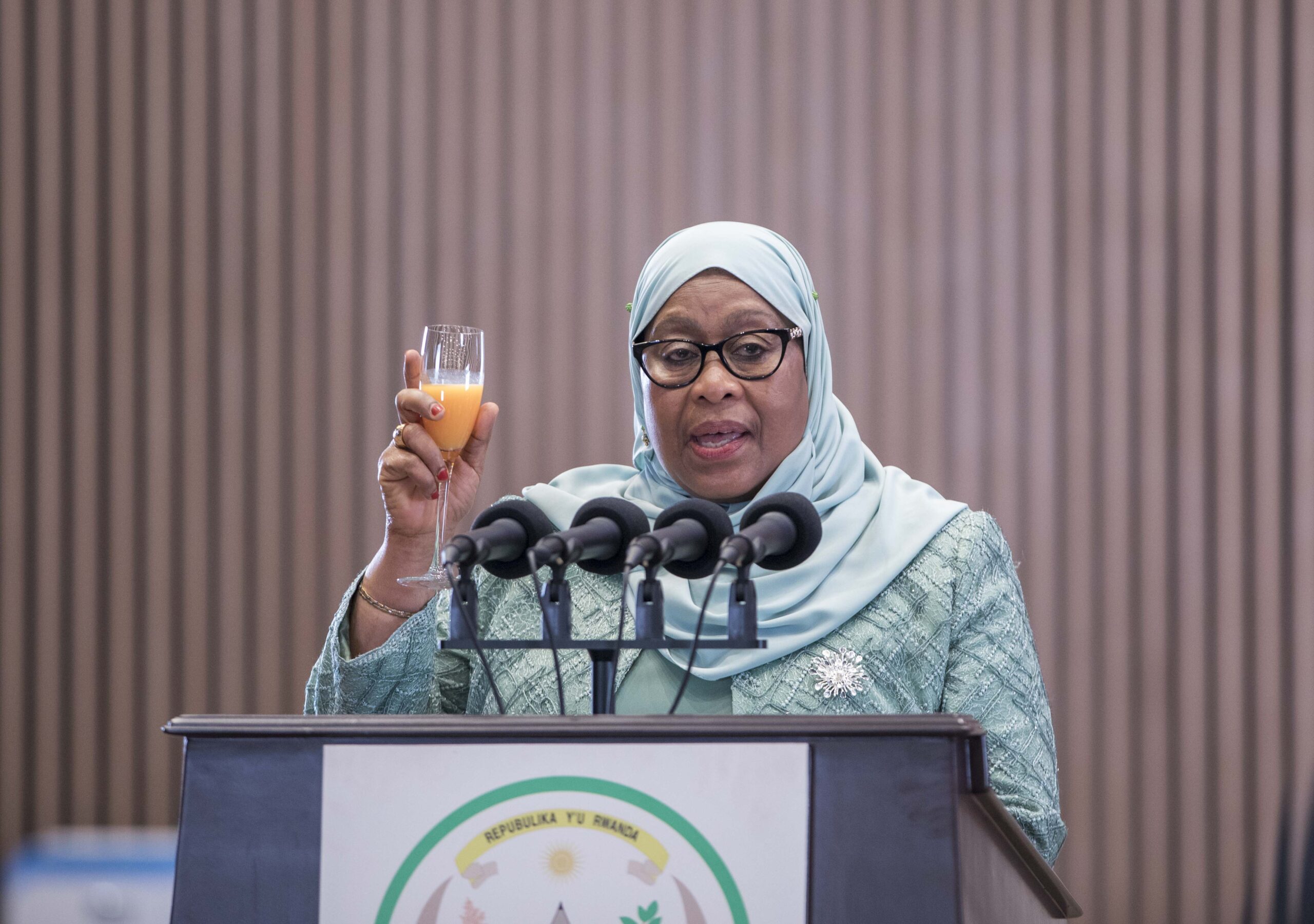
When Samia Suluhu Hassan was sworn in as Tanzania’s first female president in 2021, many hoped she would usher in a new chapter in the country’s turbulent political history. For a moment, it even looked that way, relations with the IMF and the World Bank were restored and cautious optimism spread among observers. But that early promise seemed to have quickly soured.
The 2025 general election, meant to solidify President Samia’s first full mandate, has instead drawn sharp criticism and widespread international condemnation. While the full scale of the violence surrounding the vote remains difficult to verify, Tanzania’s crisis increasingly reflects a broader continental trend: the slow but incessant erosion of democratic values that once held out hope for an entire generation of Africans.
The controversy surrounding the vote
On 29 October 2025, Tanzania held its general elections to decide on a new president. The incumbent, President Samia won the presidential vote with 97.66%, while her party, the Chama Cha Mapinduzi (CCM), continued its uninterrupted dominance, maintaining a grip on power that stretches back to the nation’s independence. Many observers, including those from the African Union, dismissed the unusually high margin as implausible.
Major opposition figures were excluded from the race. Tundu Lissu, leader of the main opposition party Chadema, had been arrested and barred from standing. Meanwhile, Luhaga Mpina, leader of the second largest opposition party, ACT Wazalendo, had also been disqualified, effectively rendering the presidential contest a sham. Moreover, authorities actively cracked down on civic groups and journalists in what Amnesty International described as a ‘climate of fear’. This marked an apparent U-turn from earlier reforms that had promised much-needed change, such as the lifting of the ban on political rallies and initiating dialogue with the opposition in 2023.
Post-election unrest
Unrest erupted across parts of the country soon after the results, seemingly driven largely by young people frustrated by the CCM’s continued dominance and increased repression. The government hastily responded by imposing a nationwide internet blackout and threatening anyone who shared videos or images of the demonstrations.
Human Rights Watch reported that authorities used lethal force and committed other serious abuses against protesters. Moreover, credible sources claim they executed mass killings and secretly disposed of more than 500 bodies, though the exact number of casualties remains disputed, with the government insisting that these figures have been exaggerated by the opposition.
Nevertheless, these reports prompted several human rights groups to formally request that the International Criminal Court (ICC) investigate President Samia and her government for crimes against humanity. Domestically, opposition parties also faced further pressure: four senior Chadema officials were arrested for their alleged role in the protests, though authorities later released them.
Why does it align with a broader trend?
The unfortunate reality is that the crisis has drawn little global attention beyond the usual symbolic condemnations from the major international bodies, perhaps reflecting a broader apathy toward political turmoil across the continent.
After a wave of democratisation in the early 1990s, recent developments point unmistakably to democratic backsliding. The military coups in Mali, Guinea, Burkina Faso and Niger; the extension of presidential term limits in Togo, Guinea and Côte d’Ivoire; and manipulated elections in Nigeria, all occurring within the past 5 years, signal a worrying return to autocratic practices.
Yet not all hope is lost. Across the continent, young people are expressing mounting frustration with the status quo and increasingly rejecting the nepotism and self-dealing of ruling elites, as seen recently in Morocco and Madagascar, demonstrating that the appetite for genuine accountability has not vanished.
What does it mean for the future?
Tanzania’s population is projected to double by 2050, which would place it among the world’s most populous countries. The government rightly points to the nation’s historic role in African liberation movements and its growing economic weight. Yet these ambitions sit uneasily alongside a political system that denies its people genuine democratic choice. As Tanzania, and Africa more broadly, approaches a critical demographic moment, the continent must confront a pressing question: can it unlock its economic and political potential while clinging to institutions designed to entrench inequality?
Edited by Elizabeth Pinkney
Photo: Paul Kagame, CC BY-NC-ND 2.0





Average Rating