 0
0
 0
0
With the release of her latest album Lux, Catalan singer Rosalía has made a bold shift away from the experimental, electronic pop that defined her previous three albums. The lead single “Berghain” set the tone for the album, characterised by maximalist, quasi-religious soundscapes we hear throughout the 15 tracks. Lux reached 45 million Spotify streams in its first day, more than double the streams of her previous album, Motomami released in 2022. Lux’s overwhelmingly positive reception cannot be denied, but why is it getting so much attention for people who cannot understand its meaning in an anglicised world?
Religion is central to this album. Rosalía draws inspiration from hagiographies, each song inspired by the life of a different female saint. The music overflows with religious symbolism, exploring her relationship with divine powers, femininity and spirituality through 13 languages, including Catalan, Hebrew, German, Arabic, and Ukrainian.
Reviews and praise have flooded social media feeds with fans and critics translating and dissecting each track. Are we experiencing some spiritual revival? Increasing numbers of young people are aligning with God or some higher powers, reflective of this recent renaissance of religion gaining popularity in the media.
Rosalía is not the first mainstream artist to draw people to religion through music. Hozier’s studio album Unreal Unearth, released in 2023, received similar acclaim, weaving religious imagery and references to Dante’s Inferno into explorations of love, loss and the human condition. The album blends the sacred and secular, inviting reflection, not just entertainment. Perhaps this why Taylor Swift’s The Life of a Showgirl, failed to resonate. Even her most devoted fans struggled to defend her twelfth album, trading spiritual depth for fantasies about her all-American football fiancé. A cultural boredom with formulaic pop has left people tired of content produced solely to catch the algorithm’s attention. There is now a craving for slower, more sincere listening.
Rosalía positions Lux as an antidote to the immediate gratification that defines modern media consumption. She acknowledges that for even a Spanish speaker the album is demanding for listeners. She tells The New York Times, “The more we are in the era of dopamine, the more I want the opposite. That’s what I’m craving”. Yet that ambition is not deterring audiences. Rather than acting as a barrier, the album’s multilingual aspect has become part of the appeal.
It seems like people are seeking deeper meaning in both their life and music. UK rapper Dave continues this new wave of religious comeback with his recent release The Boy Who Played the Harp, basing his album on the books of Samuel in the Bible. Listeners are on the search for substance over style. We are entering an era where pop music is more meaningful, where artists are less interested in chasing algorithms and more intent on crafting impactful work. This raises the question, are we seeing a genuine spiritual shift among Gen Z, or are young listeners just responding to artists reframing faith and religion in their music?
Edited by Isabel Whitburn
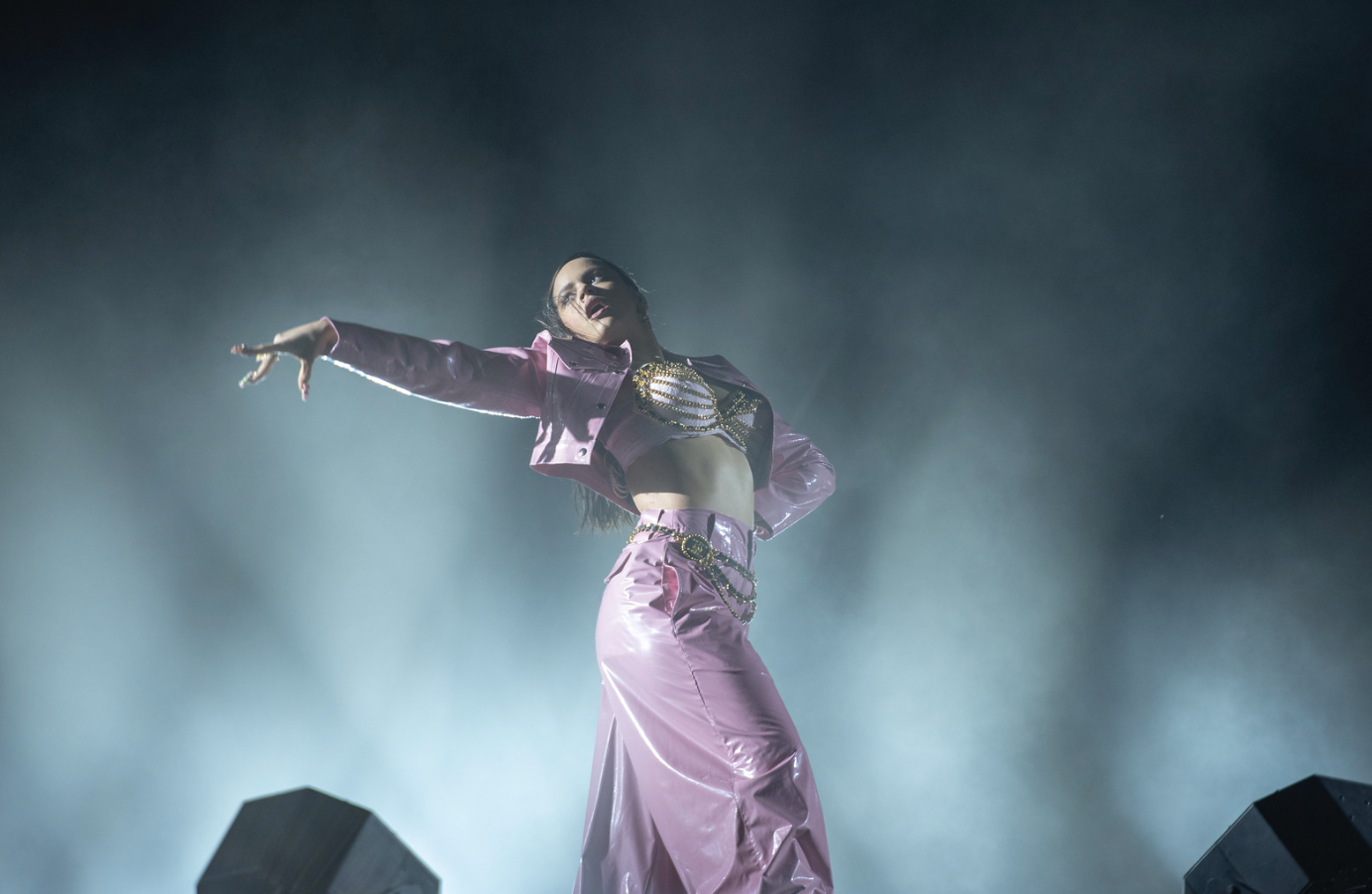
Image: Iñaka Espejo Saavedra, ‘Rosalía BILBAO BBK LIVE 2019‘, 2019 // CC BY-NC-SA 2.0





Average Rating