 1
1
 0
0
England’s coastline – home to some of the most beautiful, yet poorest areas in the country.
Despite the widespread love for the seaside and ongoing tourism to UK coastal towns, many of these areas have been facing decline. This decline has been attributed to “a combination of economic, social and environmental challenges.” Among the reasons are the fact that most coastal towns are located in “outlying areas with poor transport links,” which hinder access to employment and education.
Additionally, many towns rely solely on “domestic tourism, which is seasonal and can be easily affected by factors such as the weather.” Focusing predominantly on tourism makes these towns’ economies more vulnerable. The COVID-19 pandemic further exacerbated these issues, with many shops closing and high streets becoming run down, problems that towns are still working to recover from.
One of the primary factors contributing to the decline, is that wages in these areas are among “the lowest in the country,” largely because their main industries, care and hospitality, are mainly seasonal and low-paid.
Another issue is demographic, as many of these towns have an aging population. While the seaside is often a popular retirement destination, young people are leaving in search of better opportunities. For example, “some young adults living in the North Yorkshire town of Scarborough said they struggled to envisage a future for themselves living by the sea.”
A third challenge is “low educational achievement and low aspiration,” resulting in many young people remaining unskilled, “effectively caught in a trap of low pay”, and facing “low levels of social mobility.”
The fourth issue stems from a dysfunctional housing market. Many towns suffer from a lack of affordable housing, which makes it difficult for employers, such as those in Torquay, to fill jobs because “people cannot afford to live in the town.” The rise of AirBnB, and second homes, has impacted further housing availability, with some residents being “forced out of places where they have lived their whole lives for lack of affordable housing.” In towns like Blackpool and Morecambe, “former hotels and boarding houses have been sold off to developers to be made into cheap bedsits,” attracting “people down on their luck” in search of better prospects.
This situation has contributed to the fifth issue: coastal towns attracting “a highly vulnerable population,” including “people coming out of prison, fleeing domestic violence or struggling with substance abuse and mental health” issues. For instance, around “8,000 people move to Blackpool every year, and of that figure, around two thirds are on Universal Credit and nearly half are single males.” In such circumstances,“absentee landlords reap large profits from buy-to-let properties,” while public services like the NHS, police, and social services, “come under intense strain given the concentration of vulnerability in these areas.”
Ways To Remedy The Situation In Seaside Towns
One step we can take as a country, is to raise political awareness about the importance of these areas.
Coastal towns are valuable destinations for English residents seeking to escape the city and improve their quality of life by being close to the sea. Neglecting and failing to protect these places means contributing to the wider issues of austerity and Governmental neglect.
Another essential measure is investing in better transportation infrastructure, which would facilitate easier access to jobs, higher education, and remote working opportunities. For example, destinations like Brighton and Hove have been more successful, largely due to their highly functional transport links and proximity to higher education institutions.
A further approach to address mental health issues involves creating more opportunities for people to engage with their local community. This is especially crucial given that many young people feel limited in opportunities as Archie explains: “I don’t plan on staying in Southend forever. It’s definitely easy to go down a bad path. When I was younger, there were loads of things like youth programmes and places you could go where there were games and activities, good places for young kids to kill time. Now, you don’t see these things anymore.”
Despite the seaside being the main destination for retirees, many have suffered physical illness due to poor mental health and isolation. Thus, encouraging local communities to engage with and organise activities for the elderly, can help improve their well-being. Similarly, local businesses can be encouraged to give working opportunities to young people, something they have struggled with finding, to allow them to feel part of the community and give them purpose. Lastly, communities can develop support systems for social workers to allow for more socialisation and community support and prevent burn out, allowing the most important in our society to remain functional.
Despite these potential interventions, seaside towns continue to suffer from underfunding. Main issues such as poverty, unemployment, and drug problems are more often than not met with indifference by those in power. Statistics reveal the severity of the situation: “4 in 10 coastal communities in England could see a decline in the number of residents aged under 30 by the year 2039.”
The Parliamentary Group for Coastal Communities states that funding cuts have led to these towns being “left behind.” Although the government claims to have invested more than £200 million in coastal communities, many argue that the damage persists. As one report notes, seaside towns are “full of contradiction: they promote themselves as pleasurable places for fun and entertainment, yet the suffering and deprivation is often all too evident only a few streets away from the amusement arcades, attractions and sea front.”
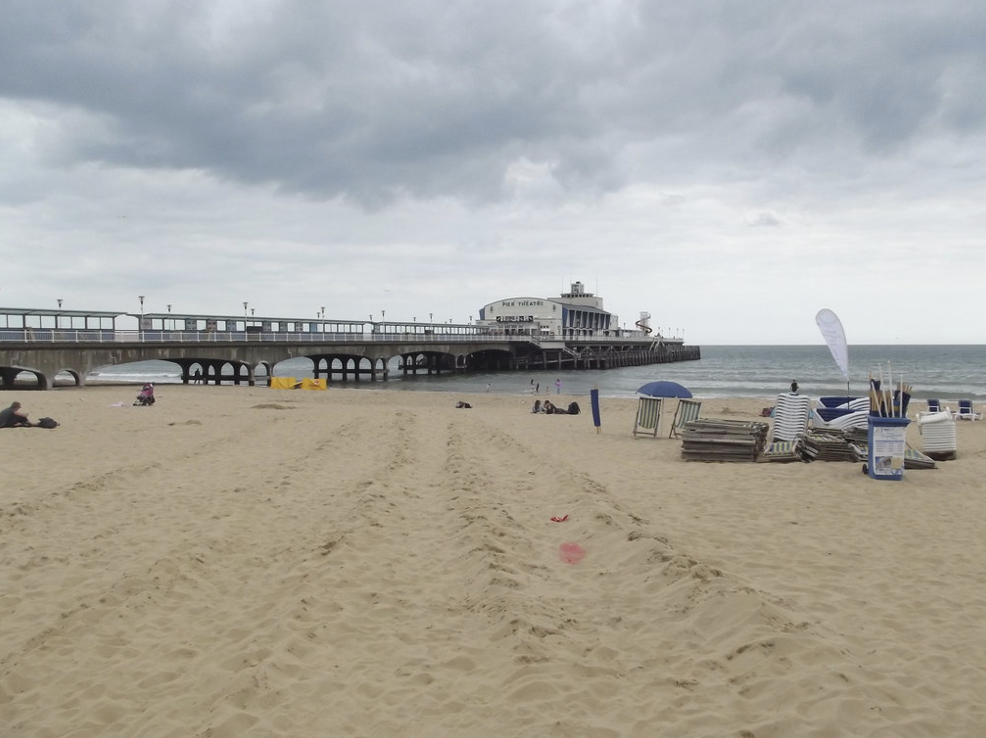
Image Source: Bournemouth Pier by Elliott Brown// CC BY-SA 2.0 (https://www.flickr.com/photos/ell-r-brown/)
References: https://blogs.lse.ac.uk/inequalities/2024/04/03/the-plight-of-english-seaside-towns/ … https://www.bbc.co.uk/news/uk-england-48995925 … https://www.landuse.co.uk/thoughts/revitalising-britains-coastal-towns-through-strategic-urban-planning. … https://www.theguardian.com/environment/2025/jul/07/young-people-uk-coast-mental-health-coastal-communities-deprivation
Edited by Freya Holland





Average Rating