 0
0
 0
0
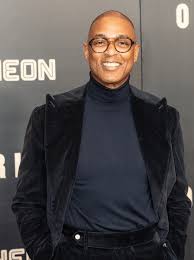
On the 30th of January, former CNN news anchor Don Lemon was arrested by the FBI at a Los Angeles hotel on account of federal civil rights charges following a report he conducted that involved entering a Minneapolis church the week prior.
Lemon had been reporting a citywide protest against the actions of the Immigration and Customs Enforcement (ICE) agency in Minneapolis when he followed protesters into a church during a service. Later, U.S. Attorney General Pam Bondi further announced that journalist Georgia Fort and activists Tarheem Jeen Crews and Jamael Lydell Lundy had also been arrested in connection with the same incident, though the specific charges remain unclear.
These arrests come at a time of heightened tension across the United States. The fatal shooting of Nicole Good and Alex Pretti by ICE agents in Minneapolis earlier this year sparked a wave of citywide protests that have since spread nationwide. ICE has been controversial prior to these events due to its increased enforcement activity and aggressive detention practices in targeting immigrant communities; what the Trump administration describes as “illegal aliens” which has led to polarising public opinions. However, the killing of two U.S. citizens by ICE has intensified scrutiny, pushing the issue to the forefront of national debate.
The arrest of Don Lemon, a well-known independent journalist, and the deaths of two civilians may appear to be separate matters. Yet together, they reflect a broader national climate in which fear is growing and civil liberties can no longer be taken for granted. This was the argument Lemon himself presented to the American public on Monday night during an appearance on Jimmy Kimmel Live. He claimed that corporate media organizations are increasingly reluctant to challenge the Trump administration, as they fear legal retaliation or political consequences.
Kimmel himself faced similar pressure after his show was cut by the Federal Communications Commission (FCC) in September 2025, following his monologue on the assassination of Charlie Kirk. Likewise, Washington Post journalist Hanna Nathanson reportedly had her home raided by the FBI following her reporting on the Trump administration’s restructuring of the federal government. According to Lemon, this environment has left corporate media “neutered” and unwilling to confront power. He argues that large media organisations are more likely to ‘gatekeep’ journalists, discouraging hard questions to preserve political access, avoid regulatory scrutiny, or protect business interests.
Lemon contends that “some things are objectively bad,” and that journalists have a responsibility to say so. This belief, he explains, motivated his departure from CNN and his transition into independent journalism. He adds that supporting independent media is essential if the public is to remain informed without fear or censorship.
As protesters are shot in American cities and journalists are arrested for what Kimmel described as “committing journalism,” there are still signs that these actions will not go unchallenged, which raises the question of how free and fair journalism remains the first line of defense of the First Amendment. While readers may not always agree with what the media reports, protecting the right to publish and to criticize power is essential if the United States is to preserve one of its greatest democratic assets: freedom.
Edited by Sanjanaa Radhakrishnan




Average Rating