 0
0
 0
0
If you were asked two years ago, do you think Reform will ever gain power and hold the keys of 10 Downing Street, your answer would probably be a no. Two years on, however, this prospect looks more like a reality which could mark a change in the heart of the party-political system.
For just over one hundred years, the UK has been dominated by just two political parties — Conservatives and Labour. Westminster has settled into a predictable pattern in which the same two parties’ alternate control, leaving little room for fringe political movements.
The first-past-the-post electoral system tends to sideline smaller parties, concentrating power in the hands of Labour and Conservatives. Duverger’s work highlights why voters often avoid backing parties they believe have little chance of winning, which pushes them towards the two main contenders instead. This dynamic encourages tactical voting and leaves emerging parties such as Reform of the Greens struggling to secure representation.
But what if this was all about to change? The rise of Reform UK within the past few years makes it obvious that Nigel Farage’s right-wing party is challenging the traditional two-party dominance by Labour and the Conservatives. Many people now believe that Reform is becoming the true opposition to the Labour Party, and that the Conservatives are fast becoming a mere speck of dust in politics.
One only has to look at the 2025 Local Council Election results to see that Reform’s popularity with the public has surged dramatically within recent months. The party secured a total of 677 Councillors in May 2025 — the highest number for any party in the election. Reform also won two of the six directly elected metro mayor positions — claiming a 1/3rd of the available spots. Both mayoral posts are newly created, and are for Great Lincolnshire, and Hull and East Yorkshire. The elections also included a by-election in Runcorn and Helsby — where Reform gained an extra MP, Sarah Pochin, overturning a significant Labour majority. Altogether, Reform gained an estimated total of 31% of the national vote share — the highest of any party in the contest — ultimately marking its emergence as a serious contender to both Labour and the Conservatives.
In addition, defections from a considerable number of political figures, including Suella Braverman, Robert Jenrick and Nadhim Zahawi, highlight that Reform is no longer merely a fringe party on the right, and that it represents a credible threat to the traditional two-party dominance by Labour and the Conservatives. The most recent political figure to defection to Reform is the former Home Secretary Suella Braverman, who announced her switch from the Conservatives on January 26, 2026.
Braverman’s defection to Reform is arguably the party’s most high-profile defection to date, instantly boosting its national visibility. She said she left the Conservatives out of deep frustration with them, arguing that her former party had “utterly failed to do the right thing for the British people”. For Reform, her arrival provides both a symbolic lift and a strategic asset, helping the party present itself as a credible force capable of attracting senior political figures from the mainstream parties.
A recent Find Out Now poll (from 21st of January 2026) also underscores Reform’s ability to challenge the traditional two-party dominance, placing the party at 32% — ahead of both Labour and the Conservatives in national voting intention. Compared to a YouGov poll in June 2023, which shows Reform UK at 7% nationally, there is a stark difference. This contrast within the mere space of just less than three years makes Reform’s rise one of the most dramatic surges in modern UK political history.
However, Reform UK is far from the only political party seeking to challenge the long-standing dominance of the Conservatives and Labour. Ben Habib, for example, founded Advance UK in 2025 after leaving Reform, while Zarah Sultana, the Independent MP for Coventry South, co-founded the left-wing Your Party alongside Jeremy Corbyn in July 2025. The Green Party, led by Zack Polanski, has also continued to broaden its national appeal, positioning itself as a long-term challenger to the established parties. Together, these parties reflect a growing push to reshape Parliament and the direction of UK politics.
For a long time, UK politics has been shaped by Labour and the Conservatives, with one of them almost always forming the government. But the rise of Reform in recent years suggests that this long-established pattern of political competition may no longer hold. With Reform performing strongly in both local council elections and national polling — along with a wave of high-profile defections — Reform can no longer be dismissed as a fringe party. In my opinion, Reform now represents a credible and dominant threat to both the Labour and Conservative party. A threat that could change UK politics as we know it and potentially lead to Nigel Farage and Lee Anderson holding the keys of Number 10 in 2029.
Edited by Phineas Horan
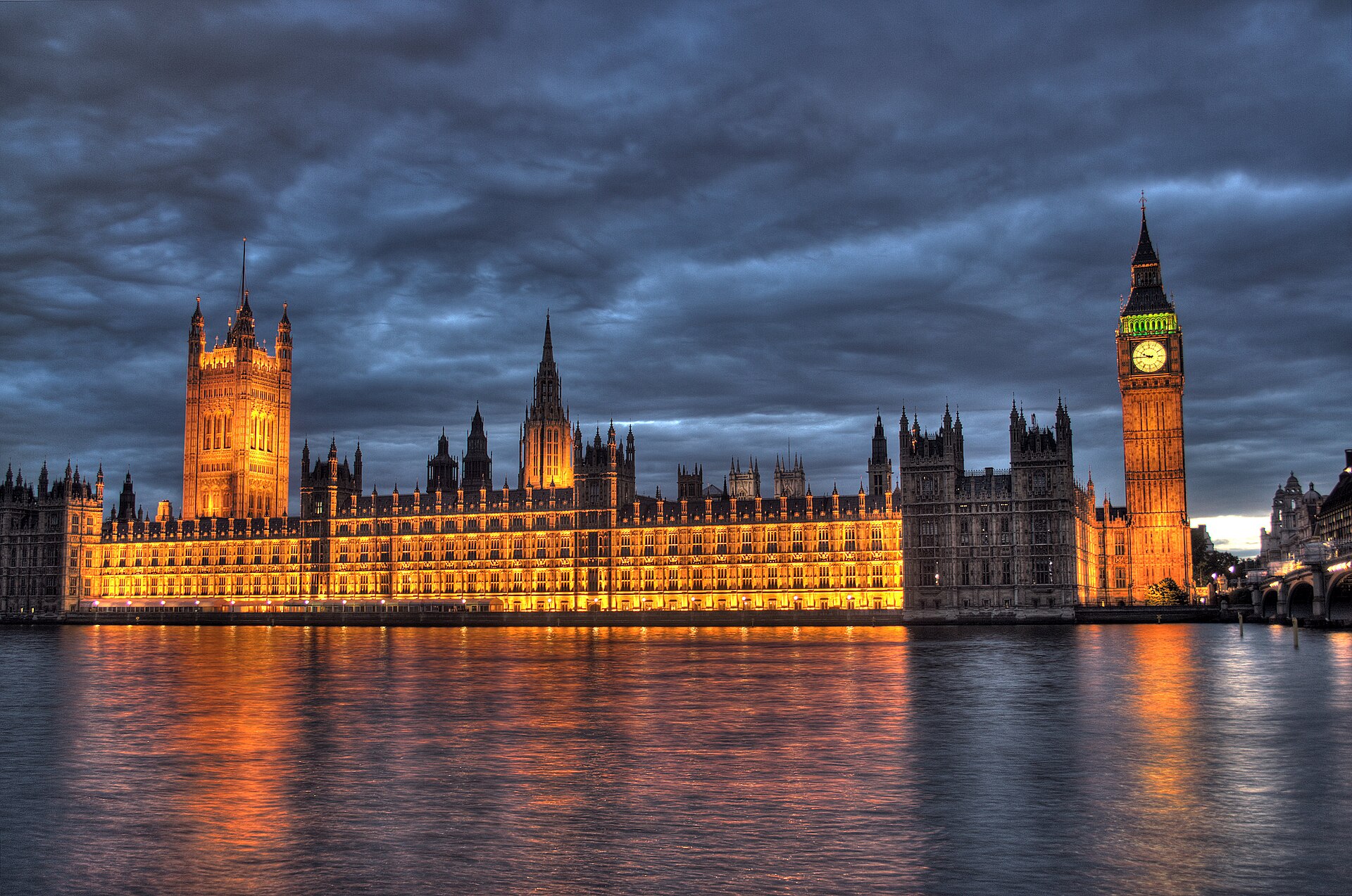
Image: The Parliament of the United Kingdom // CC BY 2.0




Average Rating