 2
2
 0
0
Counter Terrorism Policing recently announced that one in five arrests on terrorism charges in the UK are of children under the age of 18. With increasingly widespread access to online material, the media plays a significant role in the radicalisation of individuals. From the current UK migrant crisis to increasing political violence in the US, counterterrorism units must keep up with the online debates surrounding these issues before radicalist turns terrorist.
UK Migrant Crisis
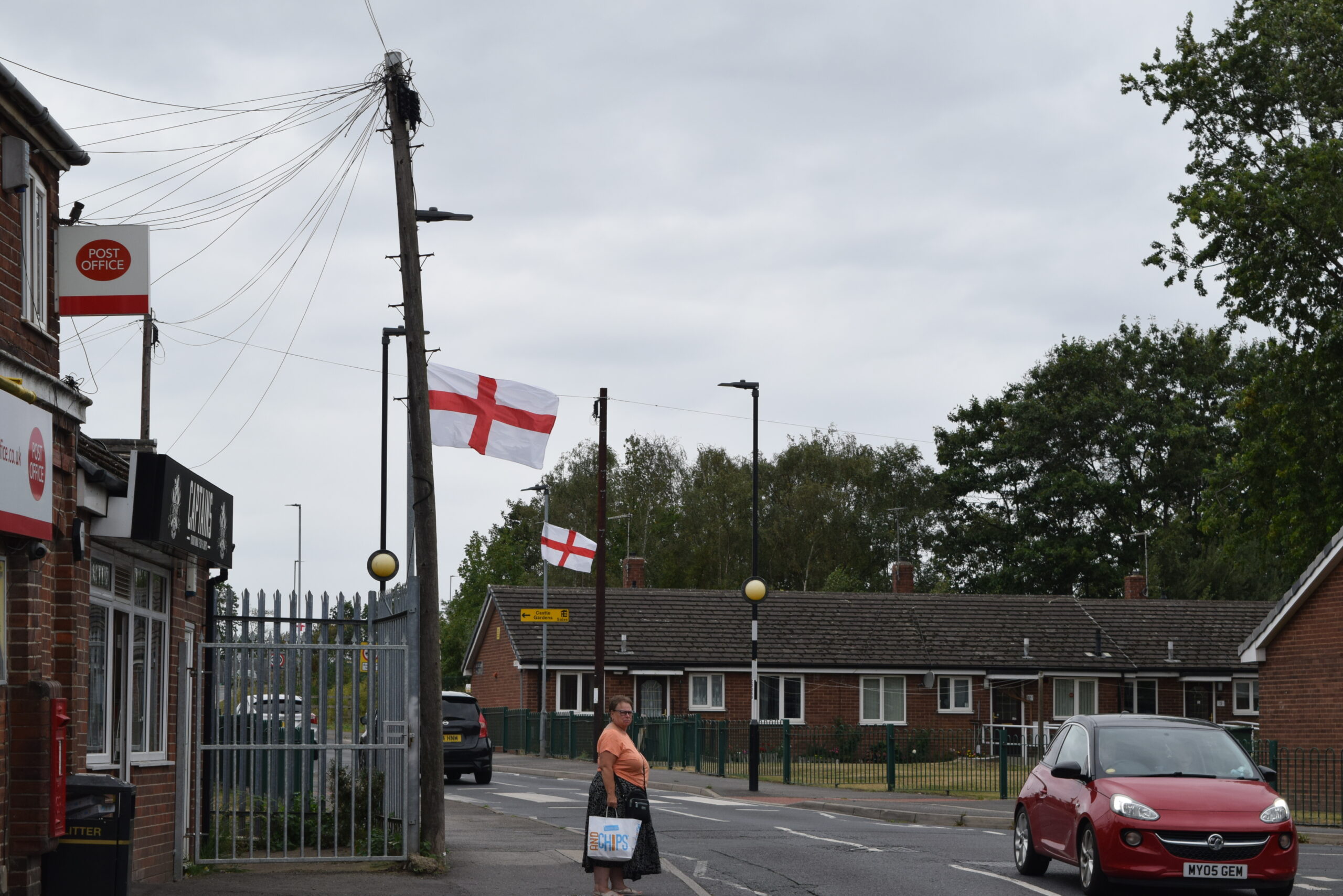
Nationwide attention surrounding migrants intensified following the Epping Bell hotel protests, after an asylum seeker was arrested on charges of sexually assaulting an underage girl. Migrant protests began to spread across the country, even to Wirral, Merseyside, where migrants were housed for five years prior, with no issues. The process of radicalisation narrows a person’s mindset as they interpret evidence to fit their ideological beliefs. The spreading of these protests to uninvolved hotels could showcase the rigid but increasingly radical thinking of some individuals, as they generalise all migrants to resemble the Epping arrestee. The media’s influence is evident in the growing national attention to the ‘Raise the Colours’ movement, which for a small minority could signify the start of radicalisation. The introduction of a new national police unit to monitor online anti-migrant rhetoric could be a precautionary measure in light of this.
As one becomes more radicalised, contempt for a group of people will increase and the dialogue surrounding these individuals will become more derogatory and violent. A Guardian investigation revealed how anti-migrant Facebook groups, totalling over 600K members, amplified such views – from dehumanising migrants to blatant racism. This showcases social media’s role in providing forums for extreme discourse, which can be especially influential to younger audiences. As these platforms grow in usage, national attention responds proportionately, illustrated by the recent ‘Unite the Kingdom’ march, which saw over 100K attendees. Influencer Niko Omilana’s undercover operation at the march revealed the hostile and violent attitudes of some protesters. Such language, likely mirrored in those Facebook groups, point to the increasing desensitisation to offensive language. The normalisation of this rhetoric can encourage radicalised individuals to act on their words and commit violent attacks, mirroring the growing political violence in the US.
US Political Violence
In the US, other political developments can accelerate the radicalisation process. Firstly, changes in presidential elections can encourage radicalists to resort to violence as they begin to feel unrepresented, whether demographically or ideologically. For instance, following Barack Obama’s 2008 election win, right-wing terrorism increased, and after Donald Trump was re-elected, left-wing terrorist attacks outnumbered those on the right for the first time in three decades. While following these political developments can assist law enforcement in expecting certain types of attacks, the use of divisive politics can harm such efforts. One example is Trump’s statement following Charlie Kirk’s assassination: rather than attempting to unite the country through peace, Trump blamed the “radical left,” further dividing an already polarised country. The problem this creates for US counterterrorism units is that the tone of language used by Trump could encourage right-wing vigilantism, which in turn could lead to left-wing retaliatory attacks, increasing pressure on law enforcement. These comments were posted on Trump’s Truth Social, and may influence younger, politically engaged individuals to adopt more extremist views, highlighting the role of the media in the radicalisation of children.
Not only can dialogue encourage radicalisation, as seen both in the UK and the US, but video footage of political violence and terrorism can also encourage radicalists to commit similar atrocities. The political assassination of right-wing influencer Charlie Kirk saw the footage circulate around in the days after on social media platforms. As individuals become exposed to such footage, it can desensitise violence to an extent that inclines them to commit acts similar in degree, as the violence becomes normalised or even inspirational to them. The recent shooting at an ICE facility in Texas may be evidence of this, and the increasing left-wing violence, illustrated by the ‘Anti-ICE’ message on bullets of the perpetrator.
The media is evidently a tool that facilitates the radicalisation of individuals, which UK and US counterterrorism units must remain attentive to. Monitoring current political discussions that circulate online, as well as recordings of recent violent attacks, is paramount to preventing individuals from becoming radicalised and acting on their beliefs.
Edited By: Evangeline Shankland
Image: ‘Operation Raise the Colours, Ladybalk Lane, Pontefract, West Yorkshire’, by Mtaylor848 // CC BY-SA 4.0



Average Rating