 1
1
 0
0
What are microplastics and why do we need to be careful with them?
Microplastics are ‘small pieces of plastic, less than 5 mm (0.2 inch) in length, that occur in the environment as a consequence of plastic pollution.’ They are found in many everyday objects such as bottles or plastic bags, but they can also be released during processes such as washing clothes made of synthetic textiles.
Their environmental impact is major. In fact, it is estimated that ’11 million tons of plastic end up in the oceans each year, an amount that should triple by 2040’. Consequently, these invisible particles can be ingested by marine species and integrate the food chain, ending up in our own bodies.
The presence of microplastics in the human body has been scientifically proven, but its exact effects are still being studied. These particles are found in organs, like the liver or lungs, and research has shown they may promote certain diseases and health problems. Indeed, they contain additives and can release endocrine disruptors, potentially worsening the development of certain medical problems such as fertility disorders, cardiovascular diseases, or even cancers.
Though plastic is inevitably present everywhere in our lives, we can still modify our behaviours to limit our exposure to microparticles.
- Minimize your consumption of food in contact with plastic (boxes, bags, bottles…) and do not heat food in this kind of packaging because it amplifies the release of microplastics.
- Buy and wash good quality clothes and avoid materials like polyester or polyamides. Also avoid washing at high temperatures because the particles will end up in wastewater and then in the ocean.
- Globally reduce the consumption, and therefore the production, of plastics such as plastic packaging which are often single-use and pollute the planet by ending up in our environment.
- Avoid using cleaning and cosmetic products with plastic and better inform yourself about their composition before buying them.
- Regularly ventilate the rooms of your house to avoid breathing in too much dust because the particles can go to our lungs.
These invisible particles are found in our body because we ingest, drink or breathe them every day without even realizing it. A human ‘inhales up to 68,000 plastic particles every day.’
The best way to protect our health and the environment is therefore to act by reducing our daily plastic consumption by opting for more sustainable and natural alternatives. The way we use plastic determines how much we are exposed to these microplastics.
Edited by Ruby Fry
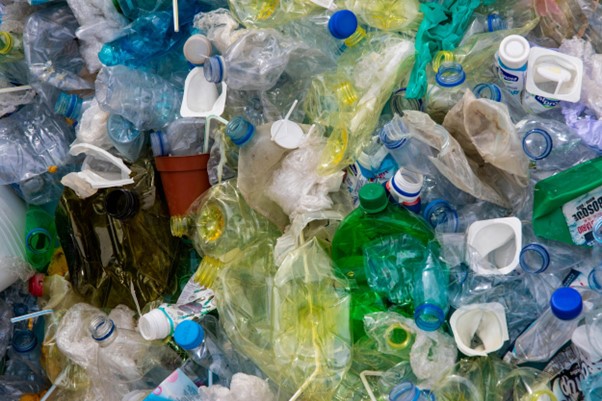
Image: Close Up Photo De Bouteilles En Plastique, by Magda Ehlers, 2019 // Public Domain





Average Rating