 4
4
 0
0
The trade war between the United States and China has been one of the defining economic conflicts of the past decade. It began with the hope that tariffs could pressure Beijing into making concessions on trade, industry and technology. Yet as the dispute enters a new phase, a different picture is emerging. Recent developments suggest that America’s ability to coerce China through tariffs is diminishing, raising the question: what exactly is happening, and why does the U.S. seem to be struggling to gain the upper hand?
Why the US Is Not Winning
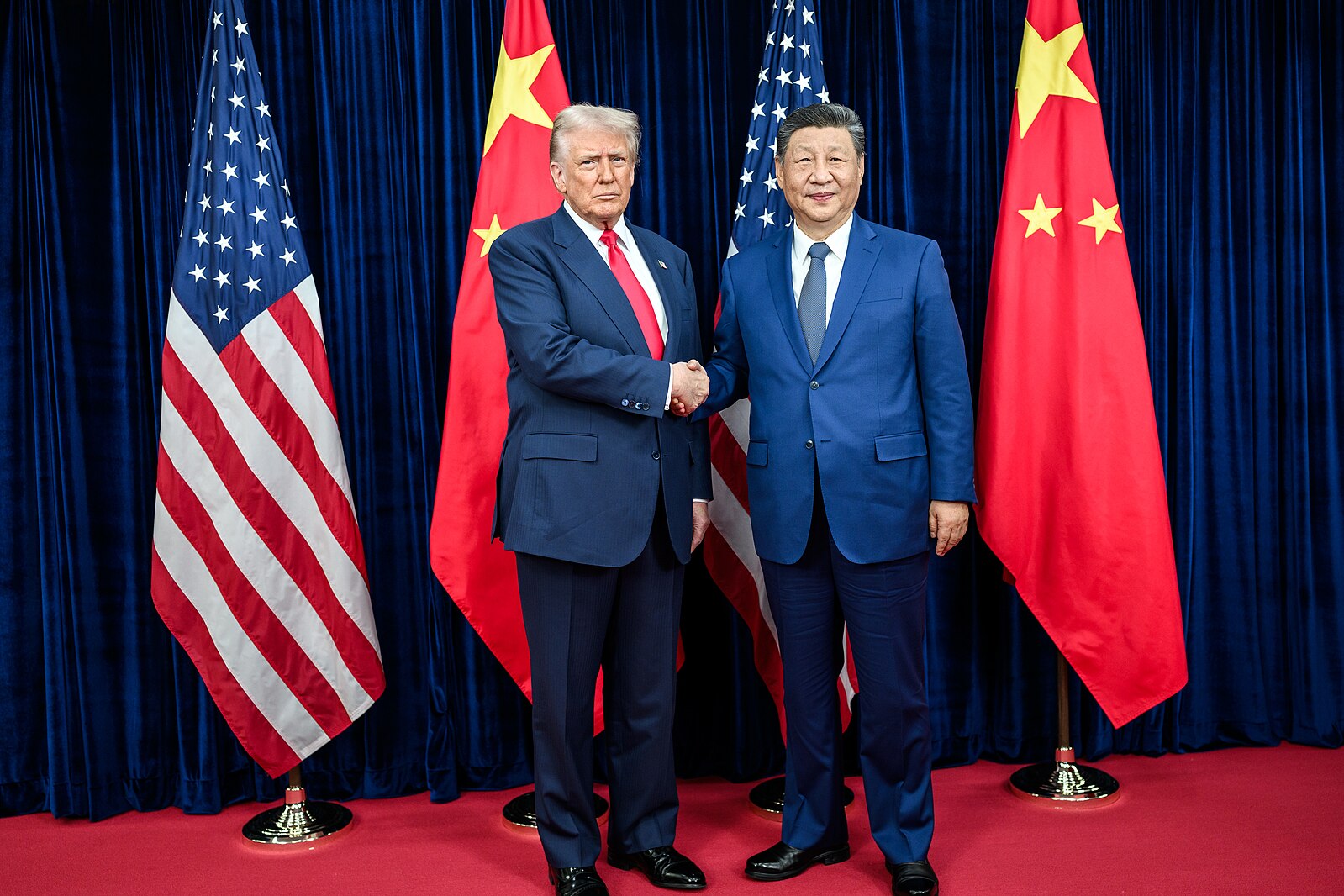
When Donald Trump sat down with Xi Jinping in Busan this October, the White House hoped a new round of tariffs would force Beijing to compromise. Instead, the resulting one-year truce revealed an uncomfortable truth: America is not winning its trade war. Washington agreed to suspend a threatened 100% tariff increase, cut existing duties and delist several Chinese companies from its commerce blacklist, while China offered comparatively modest steps in return. The imbalance underscored how difficult it has become for the U.S. to extract concessions from a far more resilient Chinese economy.
Domestic data adds further weight to this. Goldman Sachs estimates that American importers now shoulder more than half the cost of tariffs on Chinese goods, effectively turning them into a tax on U.S. consumers rather than Chinese exporters. Since the latest tariff escalations in April, approximately 42,000 manufacturing jobs have been lost, with companies citing tariff uncertainty as a major factor behind delayed investment and layoffs. American farmers have also suffered. China’s purchases of U.S. soybeans, once almost 29 million tonnes per year, remain well below pre-trade war levels, reducing a crucial source of income for Midwestern producers. Together, these trends suggest that tariffs have inflicted more economic damage on the U.S. than on the Chinese exporters they were designed to pressure.
Why China Appears to Be Winning
China, meanwhile, has adapted with surprising speed. Over the past two decades, Beijing has sharply reduced its reliance on the United States. In 2000, around a quarter of China’s trade involved the U.S. Today, that figure has fallen to roughly 10–15%. This diversification has insulated China from American tariffs. Although its exports to the U.S. fell by 27% over the past year, China’s overall exports still grew by more than 8%, as manufacturers redirected goods to Southeast Asia, the Middle East and Latin America.
China has also demonstrated that it can replace U.S. suppliers when necessary. During the height of the dispute, Beijing rerouted soybean imports to Brazil and Argentina. Even when China resumed U.S. purchases this autumn by buying 14 cargoes despite higher U.S. prices. Traders noted the decision was politically strategic rather than economic. At the same time, China continues to dominate critical mineral supply chains. They control around 60% of global rare-earth mining and nearly 90% of refining capacity, giving them the leverage the U.S. has struggled to counter.
However, China’s apparent strength should not be overstated. Chinas domestic economy faces mounting challenges, including slowing growth, declining foreign investment and demographic pressures. These weaknesses complicate any narrative of outright Chinese victory.
Where Does the Trade War Go From Here?
It is becoming clear that tariffs alone are no longer sufficient to shift the balance of power between the world’s two largest economies. The Busan truce suggests that Washington’s leverage through tariffs is weakening, while Beijing’s ability to redirect trade and withstand external pressure has grown. Yet China is far from immune to economic strain, and neither side can claim a decisive win.
Instead, both countries appear locked into a costly and uncertain stalemate; one that is reshaping global supply chains, geopolitical relationships and the future of international trade. As tensions continue, the question for policymakers is whether tariffs can achieve strategic goals when they now impose heavier costs on the U.S. economy than on China’s.
Edited by Emily Rose Hone
Donald Trump and Xi Jinping by Daniel Torok for The White House, 2025// Public Domain





Average Rating