 2
2
 0
0
Terrorist causes are continuously discussed within the media, with selective or biased portrayals assisting the spread of their ideologies. While this is typically associated with extremist propaganda aimed at radicalisation, terrorist actors also employ less orthodox strategies, described as narrative warfare. This involves attempts to manufacture or influence mainstream narratives, often through selective or artificial storytelling. Whether to attract sympathisers or to mount political pressure, these efforts contribute to terrorists’ ideological ambitions, raising questions of how counterterrorism forces can understand these cases and potentially respond to these terrorist perspectives.
A notable example of narrative construction surrounds ISIS’ ideological ambition for a caliphate state. Between 2014-2017 in Mosul, ISIS established a totalitarian regime characterised by extensive censorship and violence, leaving many locals with no choice but to submit. Alongside this governance, ISIS aimed to promote a narrative of state-building to increase societal alignment with the caliphate ideal. One method involved the suppression and co-opting of humanitarian aid groups within its Iraqi and Syrian territory. ISIS subsequently staged photographs of militants distributing aid, later alleged to involve UN property aid packages with ISIS logos on them. This form of propaganda invokes similarities to the function of a traditional government, characterising ISIS as a provider of public services. While the eventual aim for this narrative was to portray ISIS as favourable to the local population and drive recruitment, documented accounts of those who lived under the regime showed a starkly different reality, limiting the persuasive effectiveness of this method.
Other Islamist terrorist groups have engaged more directly with political and media narratives. The case of Hamas and Hezbollah show narrative warfare to extend to political pressure, through the challenging of a state’s actions. These cases contrast with ISIS’ approach, interacting with international and political audiences.
At the end of 2025, Hamas was accused of hoarding large amounts of baby formula in Gazan government warehouses. If this claim holds, this could be interpreted as an attempt of Hamas’ to worsen the humanitarian impact of Israel’s past blockading actions on aid entering Gaza. This would create a narrative of famine, potentially leading to international condemnation of the Israeli government’s actions, adding sympathising weight for Hamas’ position. This case shows Hamas’ interaction with the political narrative, deviating from exclusively violent methods, to attempt to put pressure on Israel’s military campaign.
The case of Hezbollah has shown even more explicit narrative manufacturing. Following claims by Israeli Prime Minister Benjamin Netanyahu that Hezbollah had missile sites in Beirut, the group’s Secretary-General invited journalists to the alleged locations in an effort to disprove these claims. The Israeli Defence Force later dismissed these tours as deceptive. This instance depicted Hezbollah to challenge the credibility of Israel’s claims by embodying supposed transparency and authenticity. A similar method was seen in 2024, when Hezbollah offered journalists tours of bomb sites following Israeli strikes in Beirut. Reportedly, at every site was a picture of the Hezbollah leader, and sometimes choreographed support for Hezbollah’s cause. These efforts aimed to attract sympathy for their narrative and frame Israeli actions negatively through first-hand media engagement.
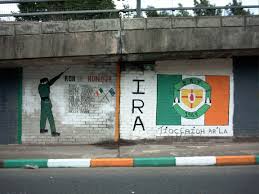
A more limited case of narrative constructions involves IRA members’ hunger strikes while imprisoned. Conducted in response to the government’s removal of the ‘special category’ identification for IRA prisoners,’ ten imprisoned IRA members undertook hunger strikes in protest. The removal of the term created connotations of these individuals being labelled terrorists rather than political prisoners. The strikes thus attempted to invoke the latter narrative, to maintain public support and legitimacy of the IRA’s cause. Though the IRA’s violent methods continued, political methods arose, such as the contestation of elections. The politicisation of the group’s narrative saw public support endure, with many attending Bobby Sands’ funeral, the longest-serving hunger striker.
These cases demonstrate the selective storytelling of terrorists. Whether staged governance, the contestation of mainstream media and political narratives, or the politicising of a cause, these actors attempt to move beyond violence to offer alternative accounts. Narrative warfare is therefore an important tool, with its success dependent on audience and credibility.
For counterterrorism, efforts should go further than mere fact-checking terrorist claims. Understanding how these grievances develop, how authenticity is displayed, and how different audiences interpret these narratives are essential for CT forces. Analysing the relationship between terrorist actors and society, state or the international community may offer a useful starting point for preventing artificial or selective accounts from gaining traction and becoming normalised.
Edited by: Evangeline Shankland
Image: ‘IRA mural, Bogside‘, Keith Ruffles, 2004 // CC BY 3.0




Average Rating