 3
3
 0
0
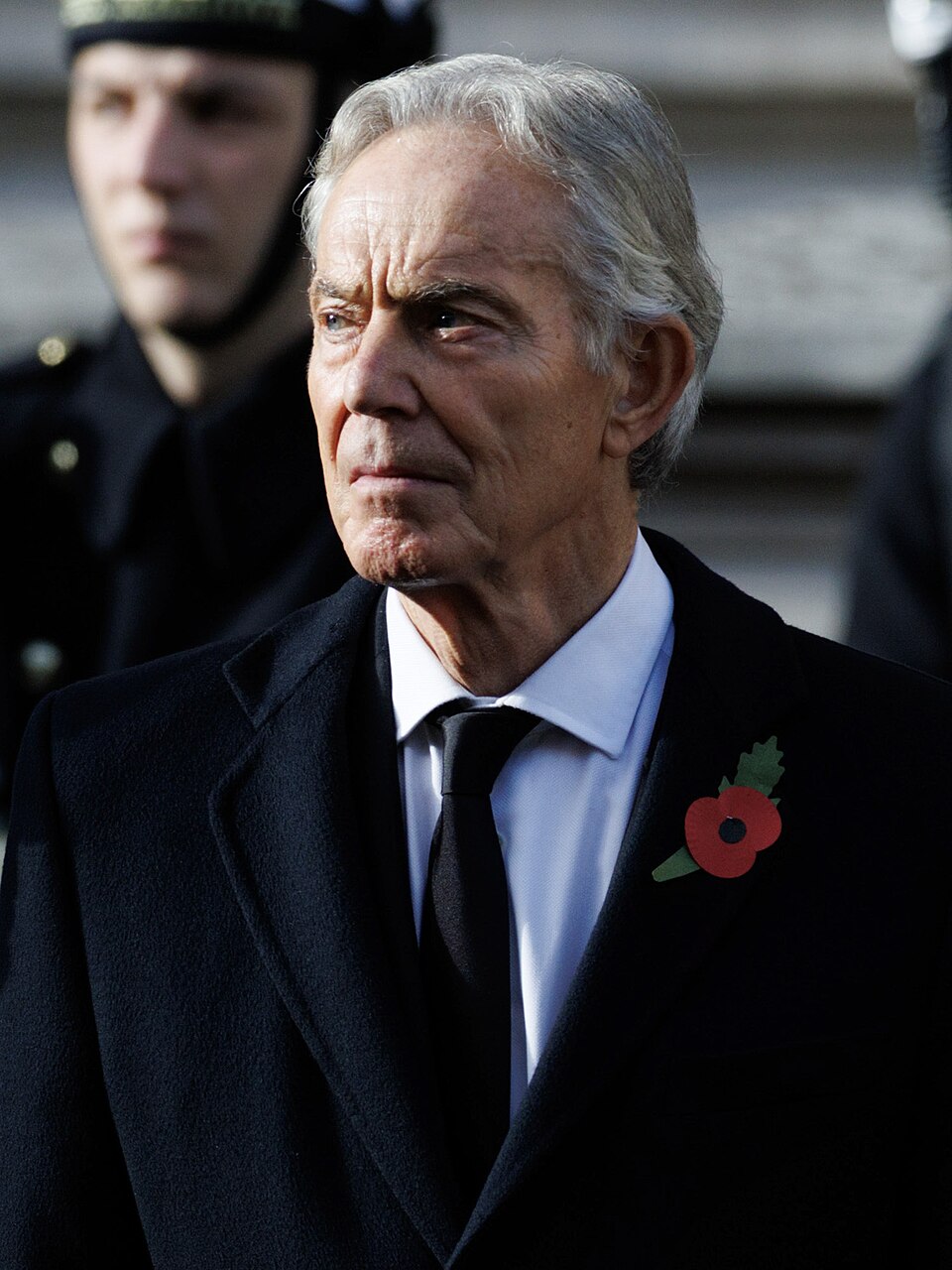
After Prime Minister Tony Blair left office, he established the Tony Blair Institute for Global Change (TBI) to maintain his influence on policy. Over time, Blair and the TBI became a powerful force once again in Whitehall and Labour politics, especially so when Keir Starmer MP became Leader of the Opposition. While Labour was in Opposition, the TBI’s influence didn’t receive mainstream scrutiny, as its policies weren’t being actively implemented. Now, however, as the TBI has entrenched itself in the heart of the new government, the TBI’s Artificial Intelligence (AI) vision has come to light. Concerns are being raised about the TBI’s major doners connection to big-tech and the TBI’s connections within the government. The TBI’s influence reflects a broader tension within Britain – whether security, privacy and labour concerns should be subordinated to that of efficiency, pushed forward by AI?
An initial look behind the funding of the TBI is concerning. Public reporting has revealed that one of the TBI’s most significant backers is Larry Ellison, the billionaire founder of Oracle whose donated $130 million between 2021 and 2023, who framed his donation as being part of a long-term partnership. Ellison’s commercial interests are tied to the success of AI and rely on heavy AI usage to keep them profitable. Alongside Ellison, organisations such as Open Philanthropy and Good Ventures have funded TBI’s ‘AI governance initiatives’, which are aimed at shaping regulatory debates through the leveraging of political influence. On paper, these grants are framed as safe and beneficial for AI governance, promoting AI alignment with human will. However, these papers often tilt the conversation towards the promotion AI in government maintaining continued funding from their benefactors. This strengthens their dominance in policy making circles, despite mounting criticism about the methodology that led to the findings.
Through these sorts of glossy reports, private briefings with politicians and international summits, the TBI has repeatedly presented AI as the key to solving structural problems within governance and public services. Rather than analysing AI from an external and non-biased point of view in an academic fashion, the Institute has instead openly declared that its work is to speed up adoption through the building of public trust in AI. As a result, the AI conversation has minimized serious concerns about job security and surveillance.
The TBI’s growing grip on the government also paints an alarming picture. While in opposition, the TBI effectively became an external Labour think tank and touchstone for the current members of the government. Senior TBI figures are now involved in guiding the government’s tech and economic policies, supplying ready-made policy packages on AI-enabled productivity, digital government and data platforms. This effectively meant that large swathes of AI policy were penned directly by the TBI, with the lines between the TBI, Labour’s internal policy apparatus (National Policy Forum or NPF) and the Fabian Society (Labour’s in-house think tank) becoming dangerously blurred.
The influence is also clear in the Cabinet. Peter Kyle MP, Secretary of State for Business and Trade, is responsible for the implementation of AI within the British economy. In this role, he has implemented the AI Opportunities Plan, a directly TBI-influenced plan for the construction of AI infrastructure and economic adoption. Furthermore, Chief Secretary to the Prime Minister (the PM’s right-hand man) Darren Jones MP, who has ties to the TBI, oversees the implementation of AI-driven public services through inter-departmental collaboration, including the now defunct implementation of Digital ID’s to sync these AI-driven public services into a central database. Wes Streeting MP, Secretary of State for Health and Social Care has implemented TBI policies such as the Digital Health Record, a policy that will funnel NHS contracts to Ellison and other TBI AI investors.
Taken together, the dynamic between the TBI and the Starmer government points to a widening transparency and accountability gap at the heart of the UK’s political system. Major decisions about the integration of key technologies into daily life are outsourced from the government to private interest groups, seemingly for personal gain. In turn, these private interest groups are reliant upon corporate funding and therefore back corporate policies. This has resulted in potentially disastrous government policy in relation to AI, and the British government taking a huge bet that AI lives up to the huge expectations that we now expect of it. With the TBI still enjoying unprecedented access to the British government, the question now arises, will political consent and democratic pressure force Starmer to decouple from the TBI or will the influence of unelected donors acting through TBI policy networks prevail?
Edited by Phineas Horan
Image: Prime Minister Tony Blair- Remembrance Sunday at the Cenotaph, By Number 10 // CC BY 4.0.






Average Rating