 0
0
 0
0
After a year-long trial of dimming and switching off residential streetlights, Devon County Council has decided to implement the policy across Devon.
The trial was initially carried out in “Abbotskerswell, Holcombe Rogus, Kingskerswell and Sidmouth in April and May”.
The trial was said to be a success, with Devon County Council saving “£270,000 a year and reducing carbon emissions by about 200 tonnes a year”.
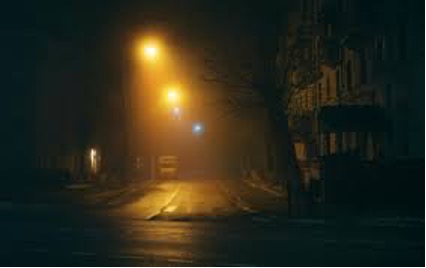
The move means that while there will be no changes to lighting on main roads, “residential streetlights in Exeter have been dimmed to 40% of output between 21:30 and 00:30, before being turned completely off at 05:30”.
Despite the reported environmental and financial benefits, the decision has raised concerns about public safety.
In Exeter, the most common crimes are violence and sexual offences, with reported cases increasing by 5% in 2025 as compared to 2024. Exeter’s overall crime rate is around 29% higher than the national average.
However, as a university city, it performs well, especially compared to other university neighbourhoods like Cathays in Cardiff.
According to discussions on the student forum, The Student Room, many students feel the university campus is generally safe at night, but the high street can feel more threatening, particularly after nights out. While no lighting changes will be made to main roads, students who don’t live on campus or live further afield may feel unsafe walking alone at night, especially in residential areas.
A local Exeter resident described the lighting change as “horrendous” and claimed the council “certainly aren’t protecting women or any vulnerable people”. Despite the controversy over residents’ safety, the cabinet member for highways at Devon County Council told the BBC that only two people contacted the council during the year-long trial to report noticing any difference.
Similar initiatives have proven successful elsewhere, saving taxpayer money while reducing carbon emissions. The use of smart lighting in Versailles has, after 12 months, “shown 84% savings compared to the previous lighting solution… meaning the cost of a node is paid back in 700 days of use”. Depending on the technology a town uses for its lighting, by switching to LED lights, “50% of a city’s lighting energy consumption” could be cut. Also, if every city in the world switched to LED lighting, globally we could save “around 1.4bn tonnes of CO2 by 2030”.
Whilst dimming the lights or making them sensor-based can have positive environmental impacts, it remains unknown how this will affect the safety of Exeter’s residents, particularly its female residents and vulnerable people.
However, the timings of the dimming and switching off mean university students returning home from nights out may find themselves walking through dark residential streets. Students are particularly vulnerable, as many are returning home late at night and may be intoxicated. Those working night shifts will also have to navigate the darkened streets.While the policy aims to save the council money and reduce carbon emissions, critics argue it could pose risks for people travelling through Exeter’s streets late at night.
Edited by Kira Purewal




Average Rating