 2
2
 0
0
As a current university student, like many others, I am becoming increasingly anxious about my future post-graduation. From increasing student loan debt and the general state of the world right now, it is hard not to believe that graduating might not be the fun, freeing thing that it once was in our parents’ age. So, what are the issues that we face after graduation and what does the job landscape mean for us today?
Recently, the longstanding issue of student loans has reemerged with the Tories’ proposed plan to reduce interest rates for plan 2 loans (taken out from 2012 – 2022) by cutting what they say are not ‘value for money’ courses in order to do so. This, when announced on GMB by Kemi Badenoch, saw fury from Martin Lewis, a famous money expert, shining a light on the many faults of the student loan system. The system has been criticized heavily, from the fact that previous generations in England were able to go to university for free (the system in place currently is an iteration of in instituted in the late 1990s), that the average person, once they have passed the threshold to start paying back their loan will be £53,000 in debt.
This forms part of a larger view of many young people, where jobs and opportunities seem forever out of reach. COVID-19 and the cost-of-living have created tumultuous few years, but the state of the job market is become pressing for those entering their working life. Labour has been trying to tackle this, with new employment opportunities and government-backed jobs. They have also tried to instil more ‘drive’, for example, stopping benefits if people refuse a taxpayer-funded job after 18 months. These issues create a constant reminder that there has been a significant shift in the barriers that young people face when starting life.
It has long been the norm that a university degree was a way into a good entry-level job. Whilst a degree is still very valued, it has now become something increasingly less likely to make or break you in the job market. According to the Centre for Social Justice, founded by former Tory leader Sir Ian Duncan Smith, 400,000 university graduates are not in work and claiming benefits. As well, the emergence of AI and an increase in employers promoting fewer entry-level jobs have all been suggested to be making it more difficult for prospective grads on the hunt for a job. What’s seen as even worse is the fact that more grads are doing everything ‘right’, but there is so much competition and not enough roles, with the current job market being the toughest since 2018. Universities themselves have been suffering, with many taking cost-cutting measures, such as the University of Nottingham cutting Modern Foreign Languages and music courses. As we can see, there has been an extensive shift in the issues that face us at university, and that is becoming increasingly pressing every day.
Most young people are doing everything ‘right.’ They are doing well at university, applying for as many jobs as they can. Instead, they are now finding themselves still facing barriers, less confident in securing a job post-graduation. What we are seeing today is a momentous change in the job landscape, becoming more dire each day. The current Labour government is trying to remedy this crisis, but many of these issues cannot be solved quickly and require long-term planning. Politically, the issues that face young people today have always been of relevance and many solutions have been tried and tested to help with young people, but with little avail (we all remember Nick Clegg’s tuition fee promise to get rid of student loans). Now, politicians face a whole new landscape, where many of the issues that face young people did not exist in their own youth, meaning we require a whole new way to address this ever-pressing issue.
Edited by Phineas Horan
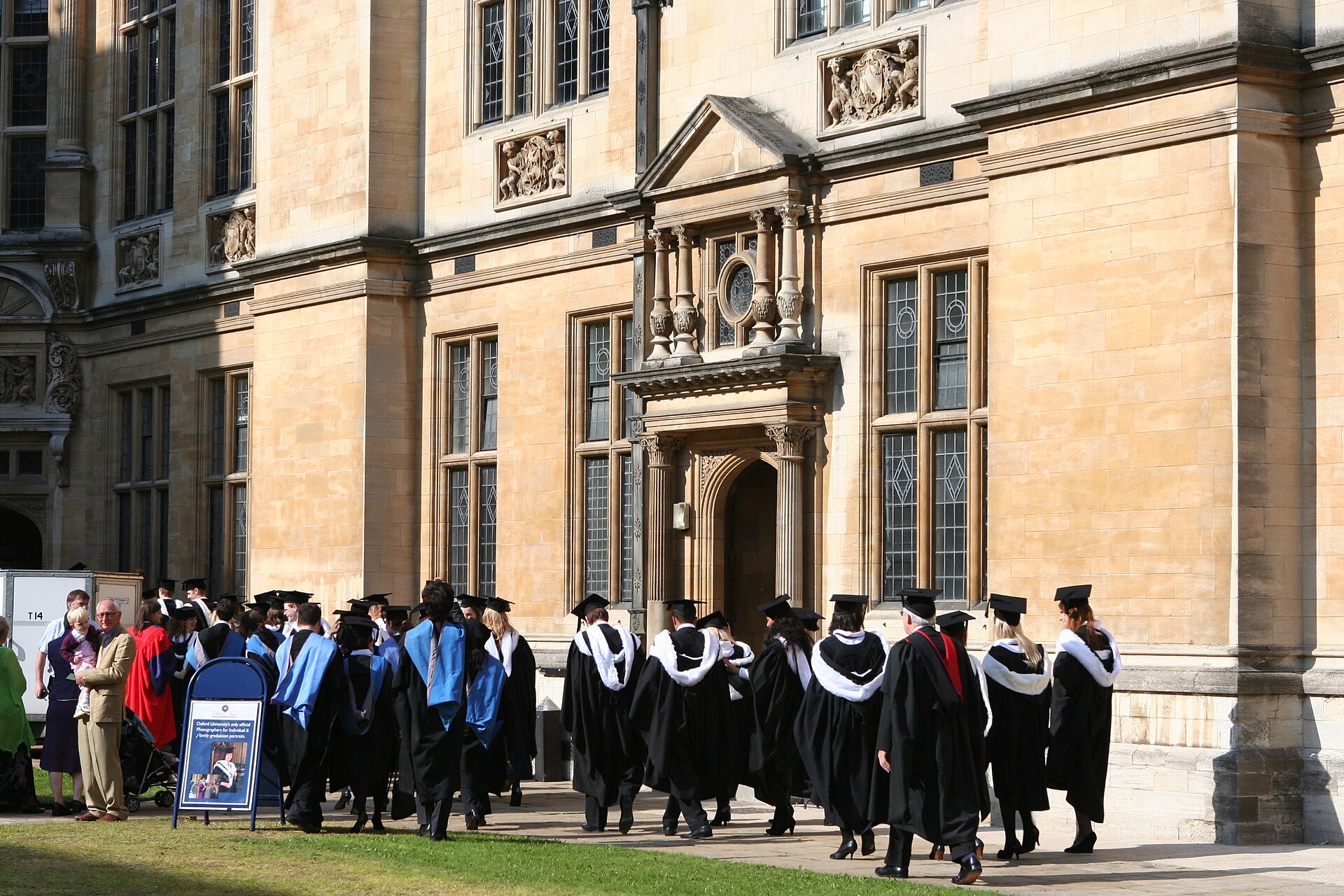
Image: Graduation University of Oxford, Ninara, 2008// CC BY 2.0






Average Rating