 1
1
 0
0
President Xi, now in an unprecedented fourth term has orchestrated the biggest set of purges since Mao. Justifying his actions by labelling those he purges as being ‘corrupt officials’, Xi has been able to force the otherwise fragmented party together, imprisoning those that waver in their personal loyalty to him.
Origins
Launched weeks after Xi became General Secretary of the CCP in November 2012, the anti-corruption campaign vowed to target the ‘tigers’ (high-ranking, powerful officials) and the flies (low-level bureaucrats). Led by the Central Commission for Discipline Inspection (CCDI) it quickly dismantled Xi’s political enemies, ripping apart political empires.
Early high-profile targets included Zhuo Yongkang, a former Politburo Standing Committee member and security czar, whose huge political empire, including his allies in the police, oil and provincial governments were all swept away. In Shanxi province, four standing committee members, political rivals to Xi’s networks in the area, were cut down in an anti-corruption scandals related to coal. The campaigns have been extremely effective in their aim of eliminating Xi’s political rivals. The Jihua ‘New Four’ network and Zhuo’s oil clique, which previously caused large factional divides within the party have been totally wiped out by the campaign.
2025 escalations
The latest purge, which took place last month during Forth Plenum, saw the expulsion of nine senior military officers from the party and the armed forces. Among them was He Weidong, the second-highest ranking general in the Chinese Army (PLA) and vice chairman of the Central Military Commission. This purge, marks a dramatic escalation in Xi’s war on the military, targeting the highest cadres of military personnel, including those loyal to Xi, previously thought to be immune from this sort of sting operation.
This came after a string of military purges: Li Shangfu, the Defence Minister at the time, vanished in 2023 and was expelled in 2024. His predecessor, Wei Fenghe was also suspended in 2024. Admiral Miao Hua, a Xi loyalist and Director of the Political Work Department of the Central Military Commission, was ousted in June 2025, becoming the eighth CMC member purged since 2012.
Many fallen generals, including He, come from Fujian-based units critical for Taiwan operations. Analysts suggest policy disputes over cross-strait strategy may have triggered the crackdown, with some officers reportedly resisting Xi’s aggressive reunification timeline.
Risks to the regime
The trade-off for the purges has been the stability of the administration. Not only has Xi’s actions undermined the stability and operational effectiveness of the military, it has led to Chinese strategic goals being undermined. This has included a resulting lack of military readiness for an invasion of Taiwan and contingencies for the South China sea.
In addition to this, a risk-averse culture has permeated throughout the Chinese administrative complex, with officials preferring to defer their decisions to other bodies, in order to avoid imprisonment from a potential mistake they could make.
While Xi’s purges have achieved a core objective, forging a united party and preserving his position, it has come with some critical trade-offs, including a weakening of China’s administration and military power.
Edited by Phineas Horan
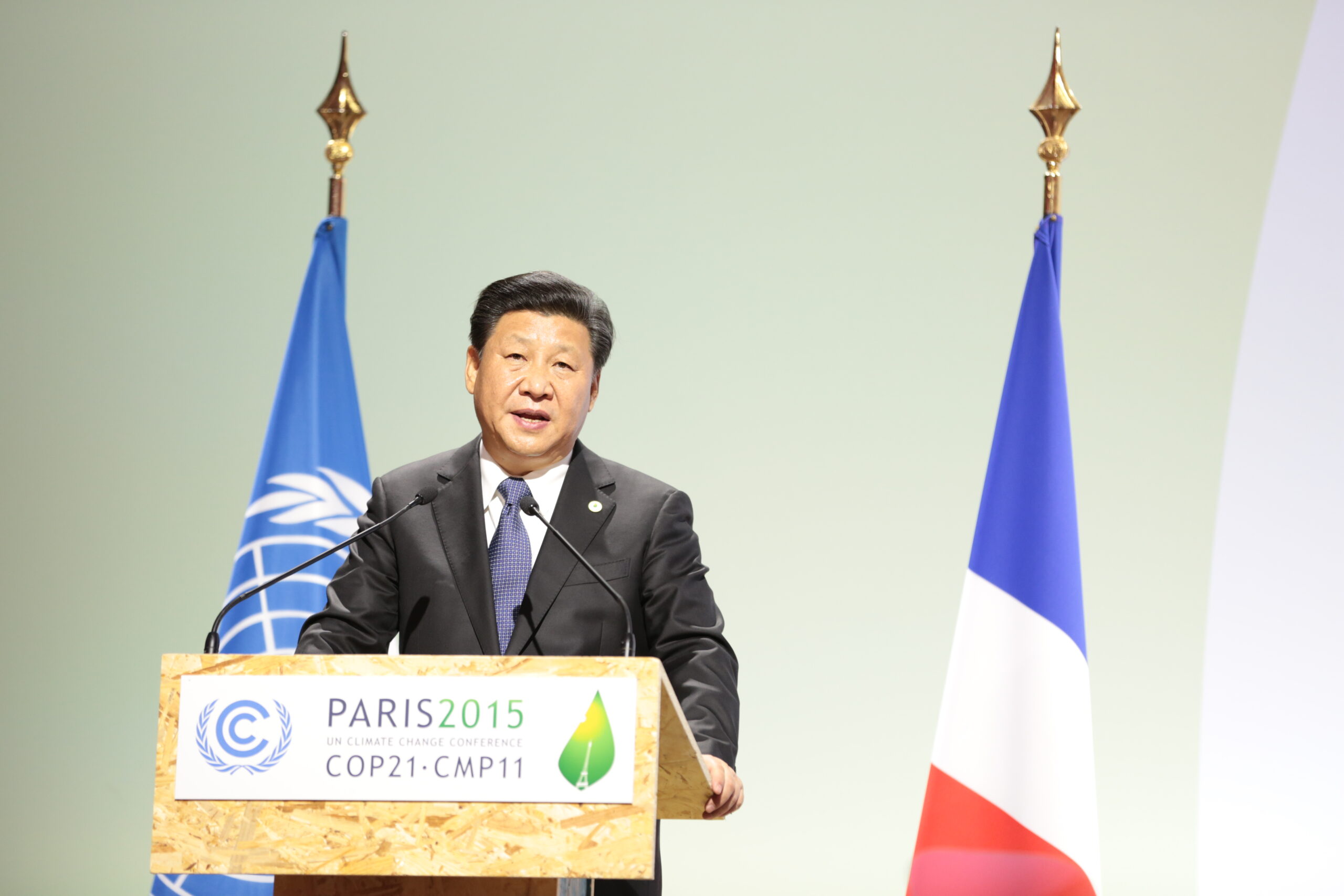
Image: His Excellency Mr. Xi Jinping, President of China, November 30, 2015 // CC BY 2.0



Average Rating