
 2
2
 0
0
Following Tony Blair’s devolution reforms, decentralization was thought to be essential to creating stability and addressing nationalist sentiments outside of Westminster. Now, however, this settlement is under increased scrutiny from right-wing voices within British politics who argue that the settlement has fuelled rather than quelled separatism. ‘Muscular unionism’, which prioritises Westminster’s sovereignty through direct intervention, has gained traction among the Conservative Party and Reform UK. Combined with the very real possibility of a Reform UK led government after the next General Election, this shift raises questions as to whether the Union can survive through centralisation or political consent. What might a more assertive ‘muscular unionism’ mean for Britain’s constitutional future?
The roots of muscular unionism come from the shortcomings of the Blairite devolution settlement. Blair’s framework aimed to empower devolved administrations in areas such as healthcare and education while maintaining national cohesion. However, critics on the right argue that it has amplified constitutional tensions. In Scotland, the SNP’s prolonged dominance has been sustained by its nationalist and pro-independence agenda. Similarly, in Wales, Plaid Cymru’s growth has forced Westminster to give more devolved powers to the Senedd, at the expense of its own authority in Wales. Brexit only exacerbated these preexisting dynamics.
Under Cameron, the Conservative Party largely adhered to the devolution model, granting concessions such as the 2014 Scottish Independence referendum and the subsequent Scotland Act 2016, expanding Scottish fiscal independence in some areas. This approach reflected pragmatic unionism, appeasing nationalists and pleasing his own coalition partners. However, this came at the expense of marginalising many within the hard-right of his own party who viewed these concessions as weakening to the Union.
Post-Cameron, muscular unionism ascended as right-wing factions gained influence witing the Conservative Party. The SNP’s electoral successes and anti-Brexit stances influenced many high-profile figures within the right, such as Michael Gove, Alister Jack and David Frost, to push Westminster to reassert its control over these devolved bodies. This manifested in Conservative policies such as the Internal Market Act that bypassed the consent of the Scottish government, breaking the Sewel Convention by prioritizing Westminster’s economic policy. Successive Conservative governments adopted this approach, intervening in devolved areas to safeguard national interests, often straining intergovernmental relations in doing so.
The current Labour government have reverted towards greater devolution. The new administration established more regional bodies in the country and have adopted a tone of partnership and collaboration. However, Labour have stopped short of fully scrapping some aspects of muscular unionism left over from the Conservatives governments. Starmer now supports the Internal Market Act, despite his previous opposition. This move reflects the increasing right-wing political pressure from right-wing gains in the polls and Labours correction to maintain a centrist appeal.
Reform UK, under Nigel Farage represents the most muscular form of unionism. The party opposes devolution, claiming that they do not believe that it “works on any level” and is a failed experiment. The party openly proposed the idea of scrapping devolved parliaments outright or drastically curbing their powers, framing these changes as essential to the preservation of the Union. To Reform, Westminster’s sovereignty is placed above all, treating devolved governments as Blairite bureaucratic obstacles rather than partners to work alongside.
Looking ahead, a possible Reform-led administration would test the limits of muscular unionism. However, such alterations could easily backfire by creating new pro-independence fervour and provoke renewed independence pushes.
While it might stabilise the Union legally, through asserting Westminster primacy over devolved bodies, it risks undermining Westminster’s political legitimacy altogether.
Edited by Phineas Horan
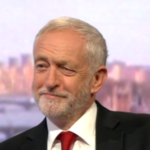
Image: Nigel Farage (Reform UK) wird für den ostenglischen Wahlkreis Clacton-on-Sea ins britische Parlament einziehen // CC BY 4.0.



Average Rating