 0
0
 0
0
Unpacking Marco Rubio’s Civilizational Blueprint at the Acropolis
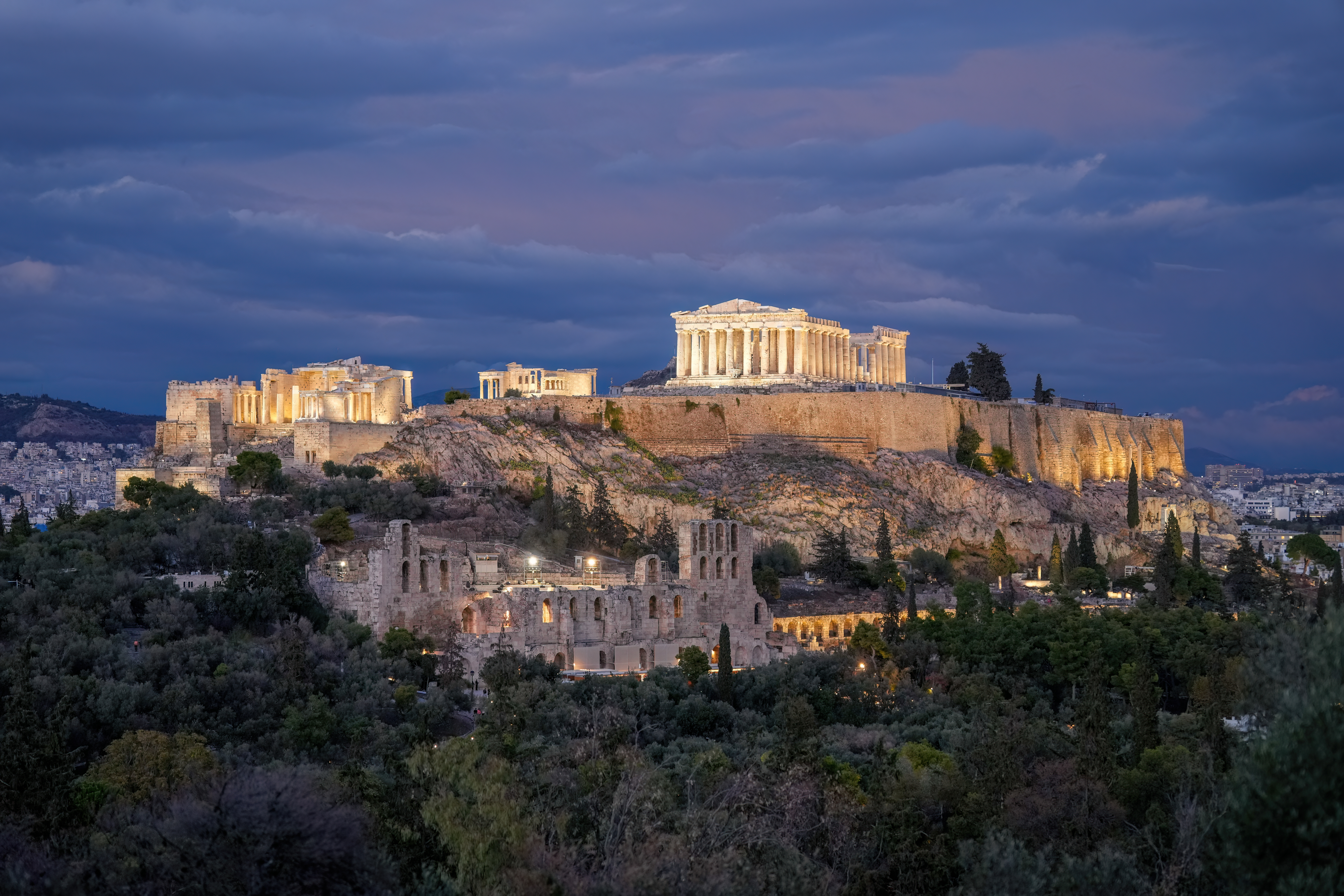
On October 7, 2026, US Secretary of State Marco Rubio stood on the rocky plateau of the Pnyx in Athens. In classical times, Athenian citizens gathered on this exact spot to debate war, peace, and the survival of their democracy. Rubio was not there for routine diplomatic pleasantries. Speaking at the sixth Round of the US-Greece Strategic Dialogue, he delivered a sharp warning directed straight at the European continent.
He called for a “great renewal of the Western spirit,” invoking thumos – the ancient Greek concept of courage, honor, and raw drive. Rubio diagnosed Western democracies as suffering from post-Cold War “listlessness and ennui.” He warned that the West faces a critical turning point, urging allies to shake off “post-national embarrassment” and face growing security threats head-on.
Supporters saw a clear wake-up call to shatter decades of European complacency. Critics, as noted in The Guardian‘s report on diplomatic reactions across Europe, viewed it as a worrying step away from post-1945 international rules toward an aggressive, nationalist order. But beneath the political theater lies a harsher reality: the Athens speech marks an operational shift in how transatlantic power actually functions.
Progress?
For decades, European foreign policy drifted under a comfortable assumption that American power would handle hard security indefinitely. European governments issued diplomatic statements, cut military budgets, and relied on committee-driven summits while deferring the heavy lifting to Washington.
Rubio’s speech hits this exact nerve. By treating national pride and self-preservation as practical assets rather than historical liabilities, he called on European capitals to rebuild their political nerve. The message was simple: stop managing decline through bureaucratic process and start making real strategic decisions.
An analysis in The National Interest on Europe’s strategic opportunity argues this moment gives European leaders a chance to take real ownership of their security. Relying passively on Washington is no longer a viable long-term plan. Real progress in this context isn’t about setting abstract spending targets like 2% of GDP. It means physical readiness: expanding factory production lines, securing energy grids, and building defense supply chains that can withstand real crises.
Regression?
Looking at the speech through a critical lens reveals deep risks for global stability. Elevating sovereign nationalism above international institutions shakes the foundation of rules-based cooperation built after World War II.
When states prioritize raw national interest over bodies like the United Nations, the World Trade Organization, or the EU, international law loses its bite. Unpredictable deal-making replaces enforceable rules, leaving smaller nations exposed to pressure from larger neighbors.
Framing the alliance around an explicit “Western civilizational” identity also alienates key middle powers. Major non-Western economies like India, Brazil, and South Africa already reject civilizational posturing. They prefer flexible bilateral trade over joining ideological blocs led by Washington or Brussels.
Within Europe itself, Rubio’s rhetoric creates legal and political friction. EU leaders who built decades of policy around pooled sovereignty see civilizational nationalism as a direct threat to European integration. Pushing nations back toward competitive nationalism risks reigniting old fault lines.
The Operational Reality
Stripping away the debate over whether this speech represents progress or regression reveals how Western security is actively changing on the ground.
First, Washington is shifting from slow, 32-nation NATO consensus toward lean, “minilateral” pacts. The Athens summit proved the point: alongside the main address, US and Greek officials finalized a $4 billion defense and energy package, securing NATO’s eastern flank without waiting for unanimous approval in Brussels.
Second, the rhetoric exposes a direct conflict over industrial policy. Washington wants European allies to rearm rapidly, but European attempts to mandate “Buy European” defense spending clash directly with US military exporters who want those contracts for American defense contractors.
Finally, economic policy and security have merged. Critical technologies, such as semiconductors, artificial intelligence, and rare earth minerals, are no longer treated as neutral commercial goods. They are treated as sovereign national assets requiring state protection, export controls, and heavy domestic subsidies.
Alignment or Isolation
Rubio’s Acropolis speech forces a choice on the transatlantic alliance. The civilizational framing isn’t just rhetoric; it sets up a clear decision point for Western power.
If Western democracies align around shared sovereign interests, they can pool industrial capacity and present a credible, unified front against rival powers. Rebuilding defense capacity and political resolve offers a straightforward way to restore deterrence in an unstable world.
If the West rejects this path and remains divided by internal debates, individual states will find themselves isolated. Endless disputes over trade tariffs, regulatory rules, and defense budgets will leave Europe and the US pursuing fragmented policies independently.
That kind of fragmentation plays directly into the hands of strategic rivals. Adversaries thrive when Western capitals split into competing regulatory camps. In the end, the choice raised at the Pnyx is stark: the West either aligns around hard-power conviction, or it cedes global initiative to its opponents.
Edited by Seth Dellow
Image: Acropolis of Athens in Greece at night, Giles Laurent, 2025//CC BY-SA 4.0




Average Rating