 0
 0
Recently, controversy has been sparked by the portrayal of female athletes in a Sydney Sweeney advertisement, which has resulted in a reflection on the treatment of women in sport and the sexualisation of their bodies.
In 2021, the Norwegian women’s beach volleyball team were fined $1764 for choosing to wear shorts instead of the typical uniform of bikini bottoms. Within the same month, Paralympic athlete Olivia Breen was criticised by officials for her shorts being “too short and inappropriate”. Despite these athletes wearing the same kit, one received judgement for being too exposed, the other for not showing enough skin.
This is only a snippet of the way that women in sport are not appreciated for their talent and drive as athletes, but instead their bodies are sexualised, and everything else is discarded as unimportant. The executive director for the Institute for the Study of Sport, Society and Social Change at San José State University, Akilah Carter-Francique, stated that, “Women being judged on their perceived femininity rather than their athleticism is a symptom of a bigger problem. Sports are often a ‘microcosm of our society,”
Francique’s claims are further evidenced by public reactions on social media to the Norwegian Volleyball Team’s uniform change. Some reactions voiced support for the team’s decision; however, one tweet, with 7.4 million views, replied, “I waited 4 years for f***ing PANTS?!!?!??!??! ENOUGH IS ENOUGH”, which was followed by many more of similar intent.
The motivation to support women in sport should not depend on what they wear; it is about giving them the space for their confidence to inspire younger generations of female athletes. By the age of 16 nearly two thirds of girls will drop out of their childhood sport, often due to a fear of judgement or lack of confidence (which often centres around perceived body image).
Confidence is not the only reason female uniforms should be altered by the athlete; it can also come down to physical health. Tennis world champion Serena Williams was criticised for her choice of a black catsuit at the 2018 French Open but wore it to reduce blood clotting after previous medical concerns. Her retort was, “I feel like a warrior in it, a warrior princess … from Wakanda, maybe,” and at the next game switched it out for a black tutu.
Perfectly put by Williams herself, women in sport are not damsels in distress but warriors who are fighting every day to continue to inspire the next generation of young female athletes. Clearly, they do not need to be told what to wear.
Edited by Emily Hone
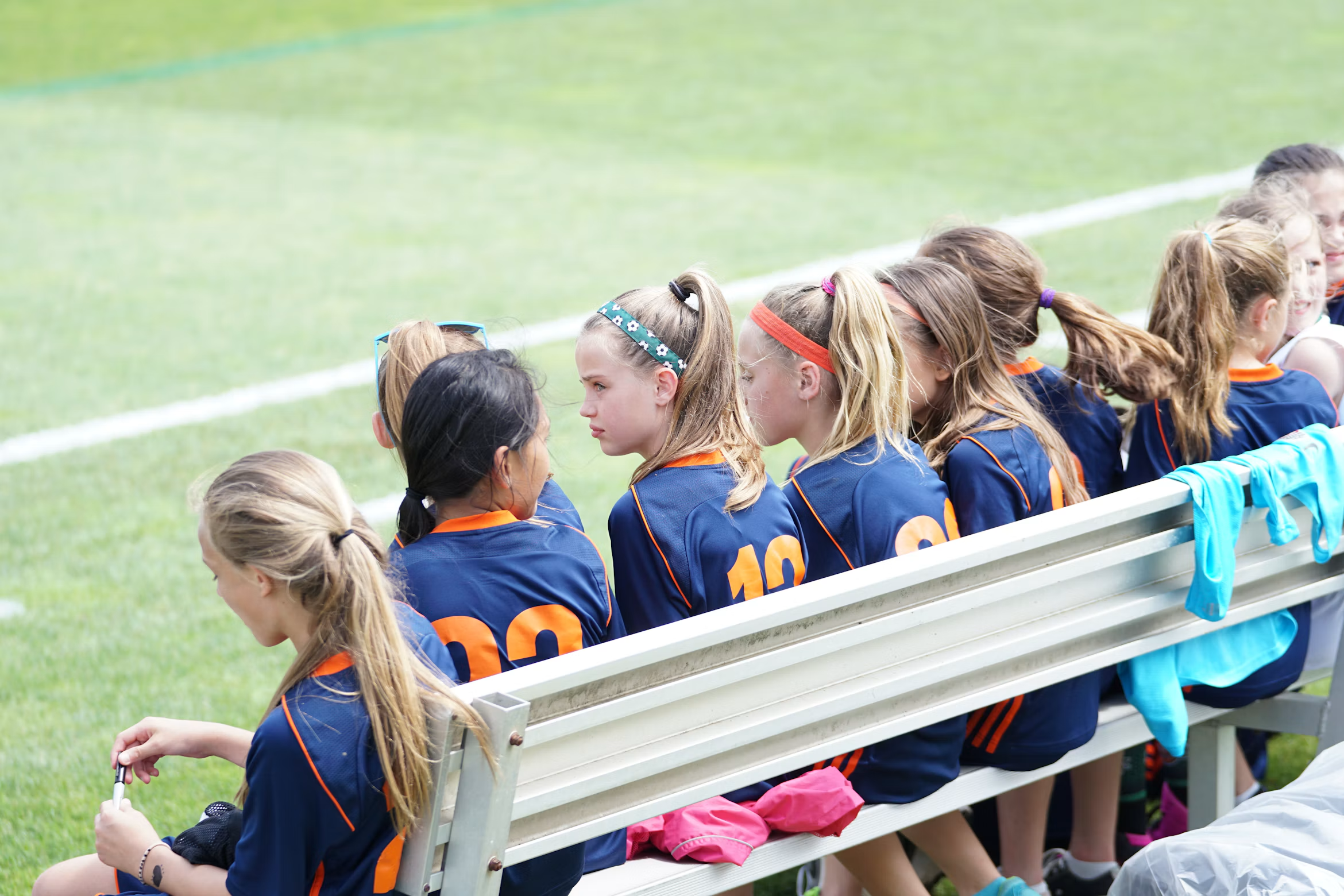
Image: girls sitting on bench during daytime by jefferyflin , 2018 available on Unspalsh


Average Rating