 1
 0
When the 25th Knesset completes its term, it will mark a rare moment of institutional longevity in Israeli politics. Not since 1988 has a Knesset served its full four-year cycle without succumbing to early dissolution. Yet beneath that structural stability lies one of the most fractured political landscapes in the country’s history.
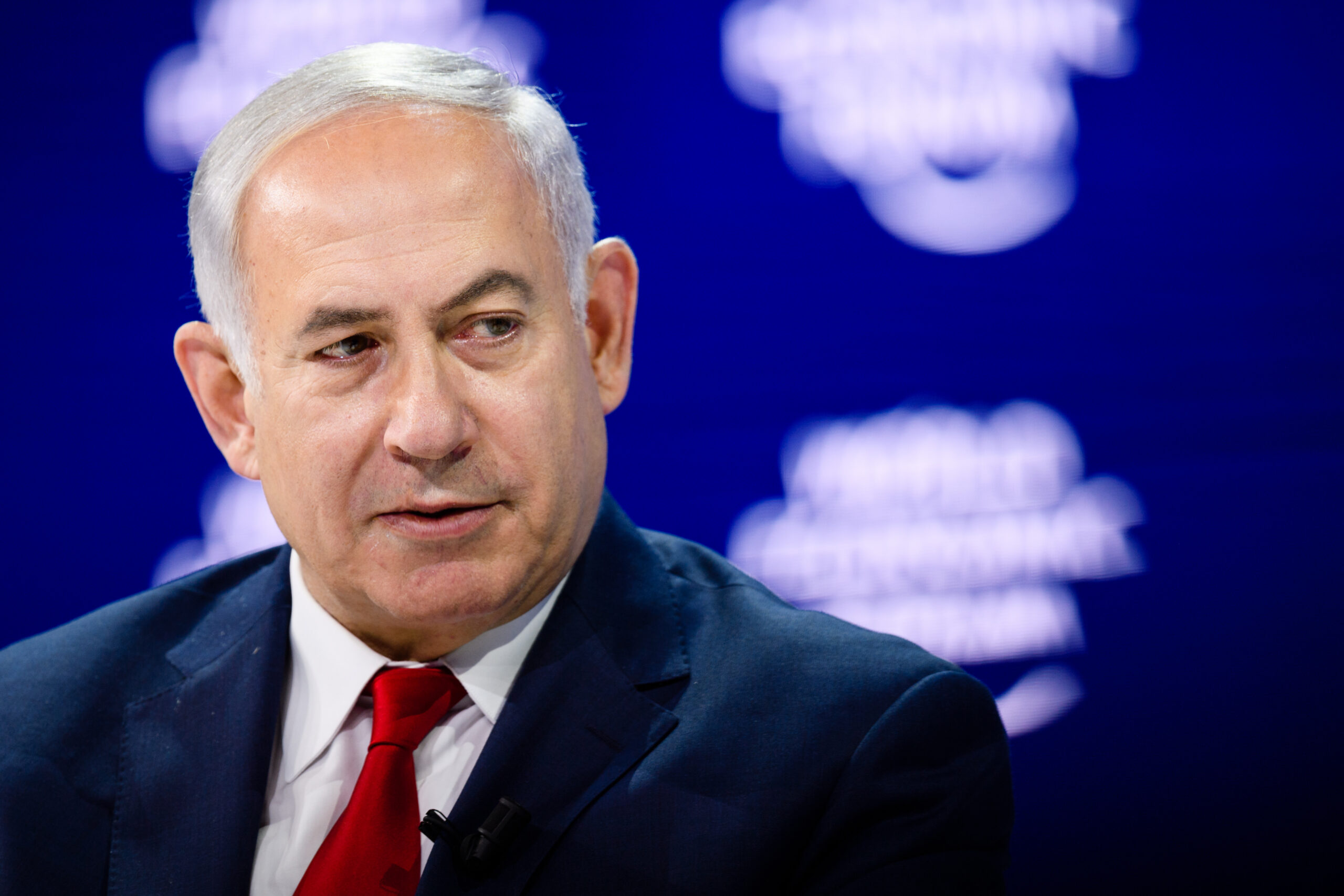
At the center of the campaign stands Prime Minister Benjamin Netanyahu, facing his toughest political test after three decades at the forefront of national life. For voters, the ballot is a referendum on his leadership before and after October 7. For the wider region, and for the future of Gaza and the occupied Palestinian territories, the stakes of this vote extend far beyond party rivalries in Jerusalem.
The Battle for the Knesset
Building a viable 61 seat majority in the 120 member Knesset requires complex political arithmetic. Rather than a standard policy debate, the electorate has split into competing visions for security, governance, and domestic reform.
Netanyahu’s strategy rests on consolidating his core right-wing base under the Likud banner. His campaign portrays him as the sole leader capable of standing up to international pressure, containing Iran, and guaranteeing national security. However, his standing is weighed down by the intelligence failures of October 7, ongoing corruption trials, and deep domestic divisions over judicial reform. With Likud’s path to a majority tightly tied to its far-right partners, Netanyahu leaves little room for compromise.
His primary challenger is former IDF Chief of Staff Gadi Eisenkot, whose newly established Yashar (“Honest”) party has surged in polling. Eisenkot, who lost a son and two nephews in the Gaza conflict, projects a stoic, security-first alternative. He sharply criticizes Netanyahu’s post-war strategy and hostage negotiations. Yet Eisenkot’s strategic doctrine remains firmly rooted in traditional military deterrence, and he has explicitly dismissed a two-state framework as unviable under current security conditions.
Meanwhile, former prime ministers Naftali Bennett and Yair Lapid have joined forces in a centrist-right alliance named Together (Beyachad). The coalition pairs Lapid’s secular, middle class appeal with Bennett’s national-religious background, focusing heavily on economic stabilization and ending military draft exemptions for the ultra-Orthodox. On foreign policy, the alliance maintains a deliberate silence: while Lapid has historically expressed openness to regional diplomacy, Bennett firmly opposes Palestinian statehood.
On the ideological flanks, far-right ministers Itamar Ben-Gvir and Bezalel Smotrich hold significant sway over the current coalition, advocating deeper administrative control in the West Bank and permanent military oversight in Gaza. On the left, Yair Golan’s merged Democrats remain the principal voice calling for a negotiated political resolution, while Arab led parties like Mansour Abbas’s Ra’am hold crucial balance of power potential, even as main opposition figures hesitate to form official partnerships with them.
Gaza and Palestine
While domestic debate centers on leadership rivalries and judicial reform, the election’s most profound consequences concern the future of Palestinian governance.
Netanyahu’s platform offers a clear blueprint: indefinite Israeli military control over Gaza, active opposition to the Palestinian Authority taking charge of the enclave, and an explicit rejection of Palestinian statehood. In the West Bank, his government’s policy continues toward expanded settlement infrastructure and administrative integration.
Yet a change in Israeli leadership may not herald a fundamental departure in core policy toward Palestine. While opposition leaders like Eisenkot and Bennett promise clearer post-war planning, civil administration in Gaza involving regional Arab states, and better coordination with Western allies, their fundamental stance against a sovereign Palestinian state aligns with the broader security establishment. An opposition victory would likely alter the tactical management of the occupation and repair diplomatic ties abroad, but it is unlikely to deliver a structural shift toward Palestinian self-determination.
Same direction, different leader
Israeli voters face a choice between two distinct political styles: Netanyahu’s familiar model of ideological endurance, or an opposition coalition promising institutional reform and military led pragmatism.
Yet for Gaza and the wider region, the election represents a choice of management style rather than structural transformation. Whether Netanyahu secures another term or a new coalition takes office, the fundamental question of how Israel addresses the governance, rights, and political future of millions of Palestinians under its control will remain the central, unresolved challenge facing the next government.
Edited by Seth Dellow.
Picture: A Conversation with Benjamin Netanyahu, Prime Minister of Israel” by World Economic Forum, CC BY-NC-SA 2.0





Average Rating