 0
 0
Every year, Halloween creates new business opportunities in the UK. Supermarkets, clothing shops, pubs, restaurants, and tourist attractions sell sweets, costumes, pumpkins and decorations, while organising special events and parties. What was once a celebration for children has become an important commercial event, with adults now playing a growing role in spending.
But behind the pumpkins and costumes, Halloween raises an important economic question: can businesses continue to benefit from this celebration when consumers are becoming more careful with their money?
According to Savvy, spending on Halloween in the UK is expected to reach £705 million in 2026, an increase of 6% compared with 2025. However, Savvy’s estimated growth was higher in 2025, at 13%. This slowdown raises questions about the future of Halloween spending. One possible explanation is the cost-of-living crisis. As household budgets come under pressure, some consumers are choosing cheaper costumes, buying fewer decorations or looking for special offers. Businesses must therefore find ways to attract customers without making their products too expensive. Furthermore, higher sales do not necessarily mean higher profits, as companies also face costs such as staff, stock and energy.
However, price is not the only factor influencing consumer behaviour. How Halloween is promoted and celebrated also affects how much people are willing to spend. Platforms such as TikTok and Instagram have become important tools for promoting Halloween products. Costume ideas, makeup tutorials, and creative decorations can quickly become popular trends, encouraging consumers to buy similar products. However, this influence also raises concerns about overconsumption. According to a YouGov survey published in 2025, 81% of respondents believed Halloween had become more commercial than ten years earlier. This suggests that the celebration is increasingly associated with shopping rather than simply tradition and entertainment.
Beyond financial concerns, Halloween also raises environmental issues. Disposable costumes, plastic decorations, and wasted pumpkins highlight the impact of seasonal consumption. This creates a challenge for businesses: how can they continue to increase sales while responding to demand for more sustainable products? Reusable decorations and second-hand costumes offer alternatives, but they also challenge a business model based on buying new products every year.
In conclusion, Halloween remains a profitable opportunity for businesses in the UK, but its future is not without challenges. As consumers become more careful with their spending and more concerned about waste, businesses must rethink how they sell and promote their products. Ultimately, the real challenge is no longer just how to sell more every Halloween, but how to remain profitable in a market where consumers expect more for less.
Edited by Lily Groves
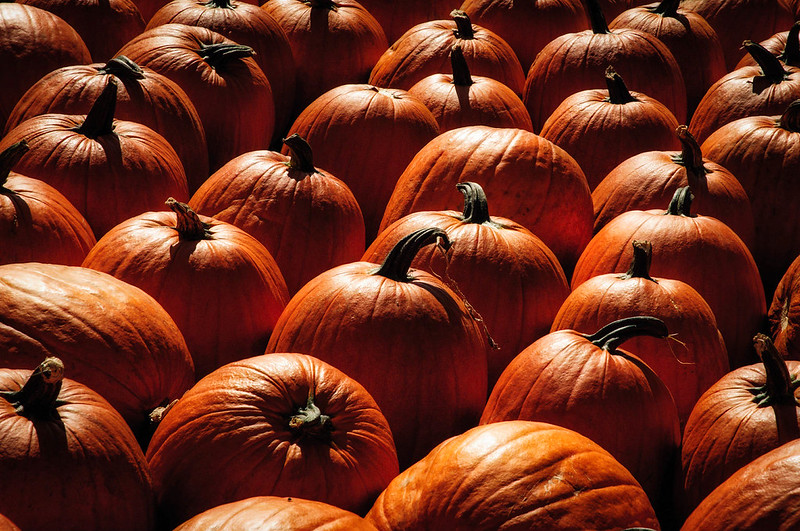
Image: Happy Halloween by Adrian Russell (2009)// CC BY-NC-ND 2.0




Average Rating