 0
 0
The Politics of Being a Student Today
Why are we planning our lives so far ahead, before we have even got into university life?
When considering politics, we habitually picture Westminster, election campaigns and politicians bickering over issues that seem irrelevant, but for students, politics is far more personal. It is reflected in student loans that barely cover living costs, the pressure of managing money independently and the expectation that we understand legal documents and sign contracts just weeks into university, when we are still working out a new and intimidating environment.
As a first-year student, I find it astonishing that just six weeks into university, I am already expected to arrange accommodation for the following academic year. Moving away from home is a huge adjustment which sees you immediately responsible for budgeting, cooking and navigating an unfamiliar environment. Yet, before you have had time to settle in, you are also expected to make decisions that could have significant financial and legal consequences.
Finding a room is not just choosing somewhere you like with the right colour scheme, it involves reading contracts, paying large deposits and trying to work out whether the paperwork in front of you is legitimate. If you have never rented independently before, how are you supposed to know what is normal, what is legal and when alarm bells should be ringing? You can spend thousands of pounds committing to a property without fully understanding what you are signing up for, all while worrying about whether you are making the right decision or being exploited.
The housing market is uncertain as it is, with the added pressure of a housing crisis in Exeter with not enough accommodation to go around. According to Spare Room’s Q3 2026 rental index, average advertised room rents in Exeter reached £681 per month, while demand for flat share rooms increased by 79% year on year. Although these figures are specifically relevant to Exeter, they highlight the pressure students face when affordable accommodation is limited. Waiting until you feel ready to make decisions, can mean gambling with the chance of finding somewhere within your budget or even finding somewhere to live at all.
The Renters’ Rights Act 2025 was introduced in May 2026 to protect tenants, but legislation cannot solve a shortage of affordable housing or remove the uncertainty of signing an agreement you scarcely understand. Every year, students navigate a system where a mistake could leave them facing serious financial consequences.
It really does raise a key question about how accessible university life is if students are expected to take on so much responsibility so early? Student loans often don’t even cover basic living expenses, leaving students worrying about balancing tight budgets alongside the demands of a degree. Independence should be an opportunity to learn and develop, without an immediate expectation that we already know how to navigate every financial and legal challenge thrown our way.
Alongside this Universities face financial difficulties, and having to make difficult decisions about staffing, courses, and student support. Our experience of university is shaped by more than lectures, essays and exams, but also by funding decisions and resources and support.
No one expects university to be effortless, after all learning to become independent will always come with challenges. However, there is a significant difference between learning gradually and organically and being expected to make rushed complicated decisions without the knowledge or maturity.
Six weeks in, we should be having fun making friends, finding a new routine and considering whether we make the right course choice. Instead, many of us are already worrying about rent, contracts and whether we can trust the people asking us to sign them.
We came to university to build a brighter future, so why does it feel like we’re facing a legal battle before we’ve even had the chance to begin?
Edited by Amelie Barker
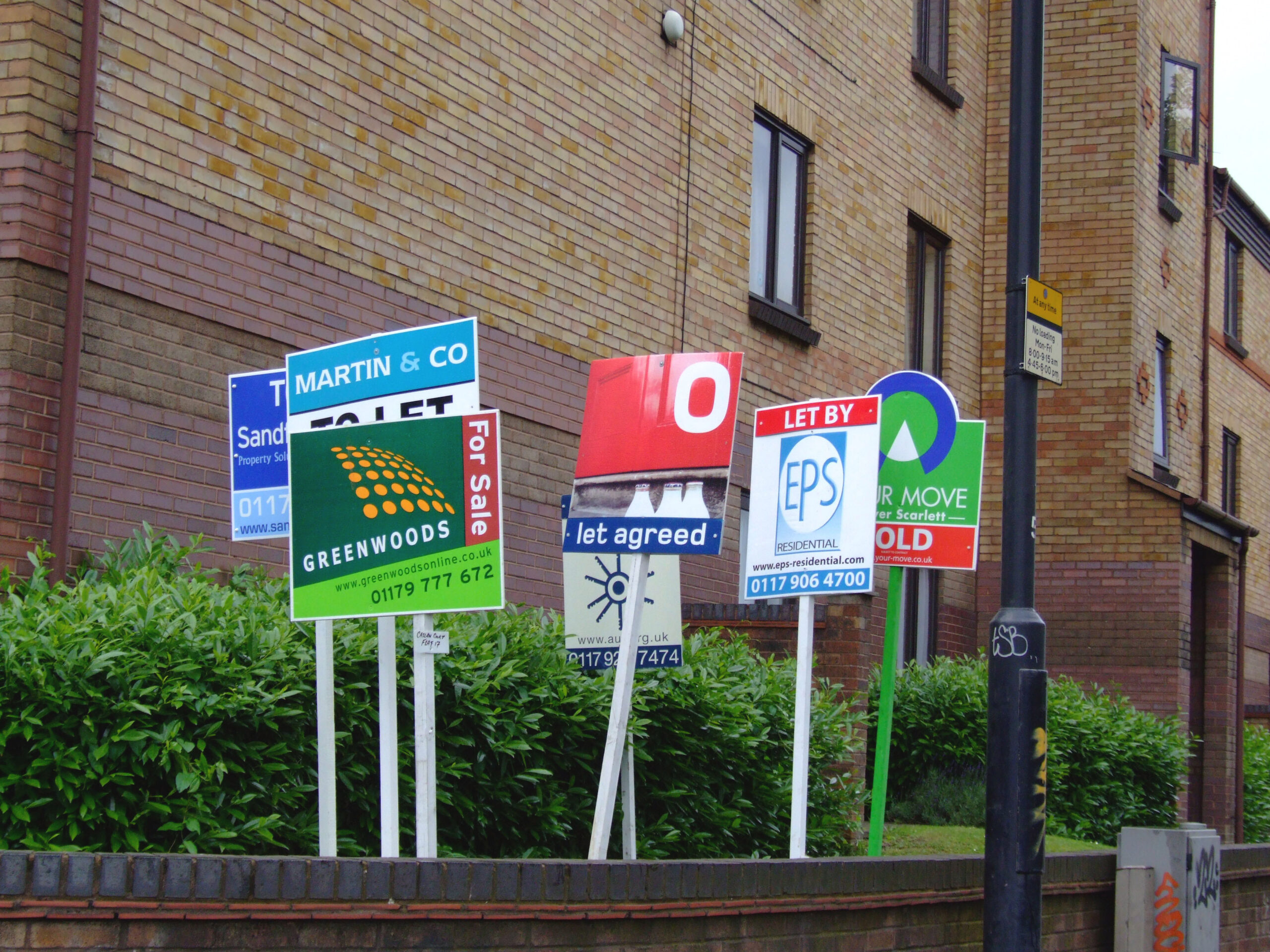
Image: To Let Signs by Andrew Warran, 2007 // CC BY-NC-SA 2.0



Average Rating