 0
 0
“If you want to destroy a nation, destroy the thinking of its youth” ; Vladimir Lenin’s aphorism once again seems to mirror Europe’s current unrest, which this time began not in Parliament or on factory floors, but in the classroom.
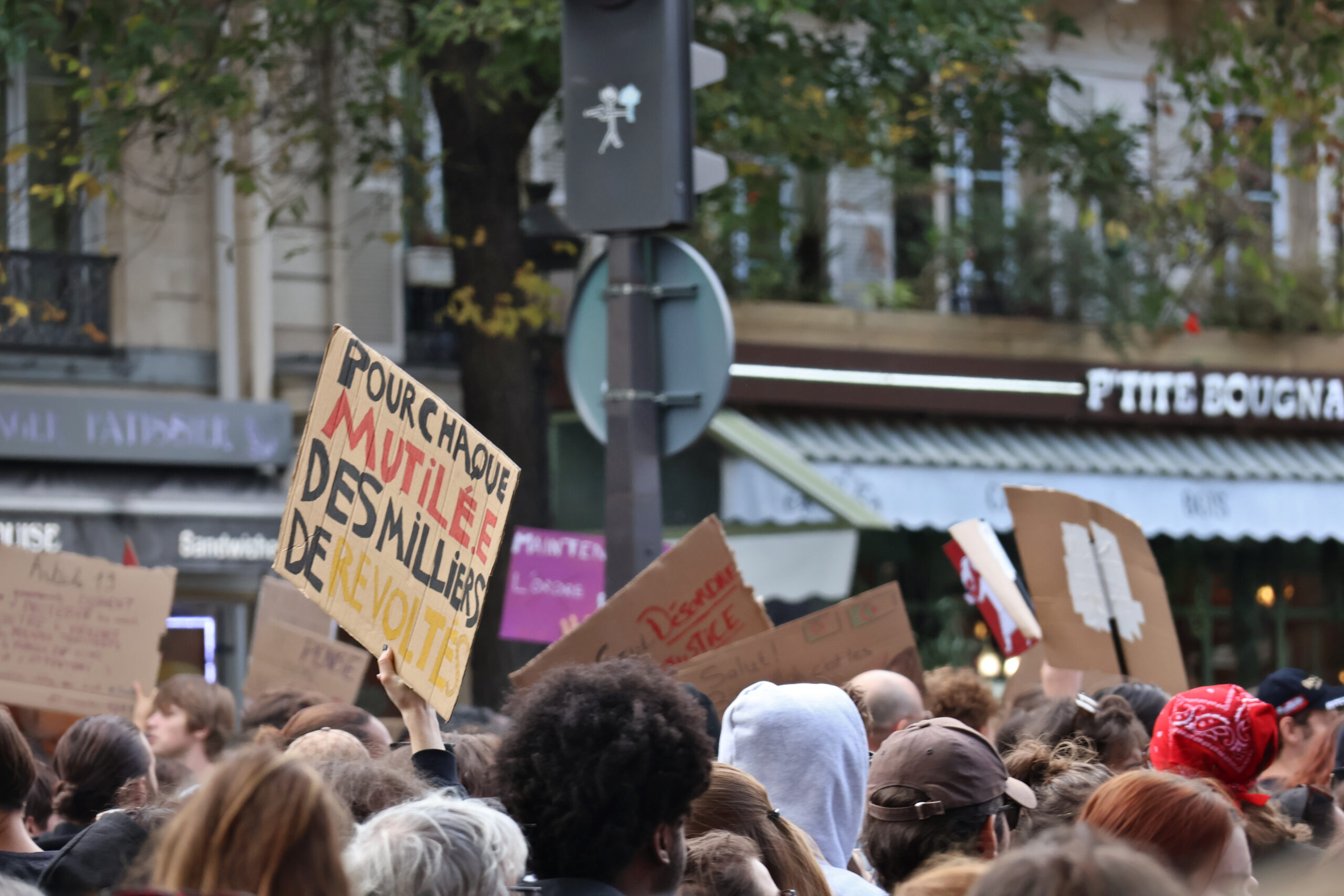
In late September, French high school students began protesting against deep-rooted state failures in education, from deteriorating facilities and insufficient funding to the increasing amount of teacher shortages. What began as a student condemnation campaign has quickly developed into a much broader expression of civilian discontent over standards of living and socio-economic inequality. By October 6th, clashes between protestors and police had resulted in almost 500 arrests, so much so that the scale of turmoil prompted President Emmanuel Macron to convene an emergency cabinet. However, the government’s response, particularly the police’s use of force against demonstrators, only served as a catalyst for further revolt. The movement reached a turning point on October 17th; according to the Interior Ministry demonstrations all over France drew an estimated 550,000 participants, while organisers placed the figure closer to 800,000. The collective agitation was accompanied by widespread looting, arson and violent interference with police, with almost 1,000 police officers sustaining injury.
Rather than a suspension of hostilities, the government moved towards increasingly restrictive measures, including strict curfews in parts of Paris and bans on demonstrations in several major cities. Yet again by October 24th, approximately 70,000 police officers had been deployed in anticipation of another volatile weekend. Reporting from Paris, NPR correspondent Eleanor Beardsley described an atmosphere of growing unease, noting that during all her years in France she had never witnessed such extensive curfews and bans on public dissent. The protests even drew in the Gilets Jaunes or Yellow Vests; a decentralised
populist movement whose return exposed how far the current movement had evolved beyond student dissent. What began as a generation advocating for better education has snowballed into a much wider disillusionment with fractured systems. More strikingly, the unrest is no longer confined to France. From violent clashes in Milan to demonstrations in Zurich, discontent appears to be crossing borders, raising the concerning possibility of a wider European crisis.
So if a nation is shaped by the thinking of its youth, what does it say about the state of Europe when that generation is increasingly defined by unrest? And if foundations are already so deeply fractured, who is ultimately to blame?





Average Rating