 0
 0
October was a month of warnings from the UK government. Worldwide, at least 33 countries have issued guidelines encouraging households to stock up on essentials in case of an emergency. So, what is the UK’s plan, the potential reasons behind it and the challenges that may be faced?
The Plan: Three Days of Survival
In October 2026, the UK launched a three-year campaign urging households to take steps to prepare for emergencies such as severe weather. Ideally, a household should be able to manage itself for three days, with advice to stock up on essentials like bottled water, non-perishable food and money.
As a part of this plan, the government has also released a contingency plan for a national water or power blackout called ‘Black Sky’. This is where 100 BBC staff are employed to run an emergency radio service with pre-written government scripts that are available to the public. This is in order to provide information where normal communication systems may not be available.
Behind the Warning
While the Cabinet Office has said that the UK has one of the most resilient electrical grids in the world, the government’s campaign suggests it is aware of the possibility of a major disruption. The Telegraph reported that the risk of a winter blackout has risen for the first time since 2022. According to the article, the National Energy System Operator (NESO) estimated that the power buffer protecting the UK from a winter blackout would be 5.9GW, a decrease from 6.1GW in 2025. This decrease means there is less forecast spare capacity to meet demands. This could increase the risk of a winter blackout but does not guarantee one. However, if the available power buffer continues to decline, the UK could face challenges in maintaining the electrical supply in the future.
Another possible factor is the growing concern surrounding international conflicts and the UK’s position within them. In October 2026, Wes Streeting warned that Britain should prepare for war within 1000 days. Although, this may have been intended as a warning to strengthen the military and the economy in time for war, its timing alongside the ‘Be Ready’ campaign raised questions on social media about the direction in which the UK is heading.
Finally, the UK has also faced increased risks in cyber-attacks, which could disrupt essential services and access to banking. A recent report has cited that a cyberattack on Dyfed-Powys Police in September 2026 disrupted non-emergency systems. Additionally, the National Cyber Security Centre (NCSC) has warned that the UK could experience an unprecedented rise in cyber-attacks that exploit longstanding security weaknesses. An increase in cyber-attacks could cause widespread disruptions to everyday life that the ‘Be Ready’ campaign aims to highlight.
The Reality of Being Prepared
Despite the government’s advice, there are challenges when preparing for emergencies.
Firstly, communication may become harder in times of crisis. In January 2027, the Public Switched Telephone Network (PSTN) is due to be switched off, ending the use of traditional copper wire landlines. If there was an electrical blackout, copper wire landlines could have been used. However, their removal is the removal of an alternative communication during an emergency if mobile networks or electrical supplies were disrupted.
Another challenge is access to reliable information in an emergency. During emergency situations, there can be communication issues that limits public information. The UK does have an emergency alert system, but it often lacks specific information. As a result, people often turn to social media for news but this may include speculations and conspiracy theories. This makes it harder for the public to distinguish between true and false information.
Furthermore, the government’s advice to stock up on essentials may not be achievable for everyone. With the cost of living continuing to put pressure on UK households, purchasing additional supplies may be difficult for those who are already struggling to afford everyday essentials. The British Red Cross warns that fewer than half of the UK population, around 40%, feel able to take action to protect themselves and their household in a disaster. Therefore, how realistic is the government’s advice for households already facing financial hardships?
Ultimately, the UK’s ‘Be Ready’ campaign highlights the growing risks for the UK and is sensible in telling UK households to prepare. While this preparation may be increasingly necessary, the government must ensure that its guidance is realistic and achievable for the wider population.
Edited by Iris Parkinson
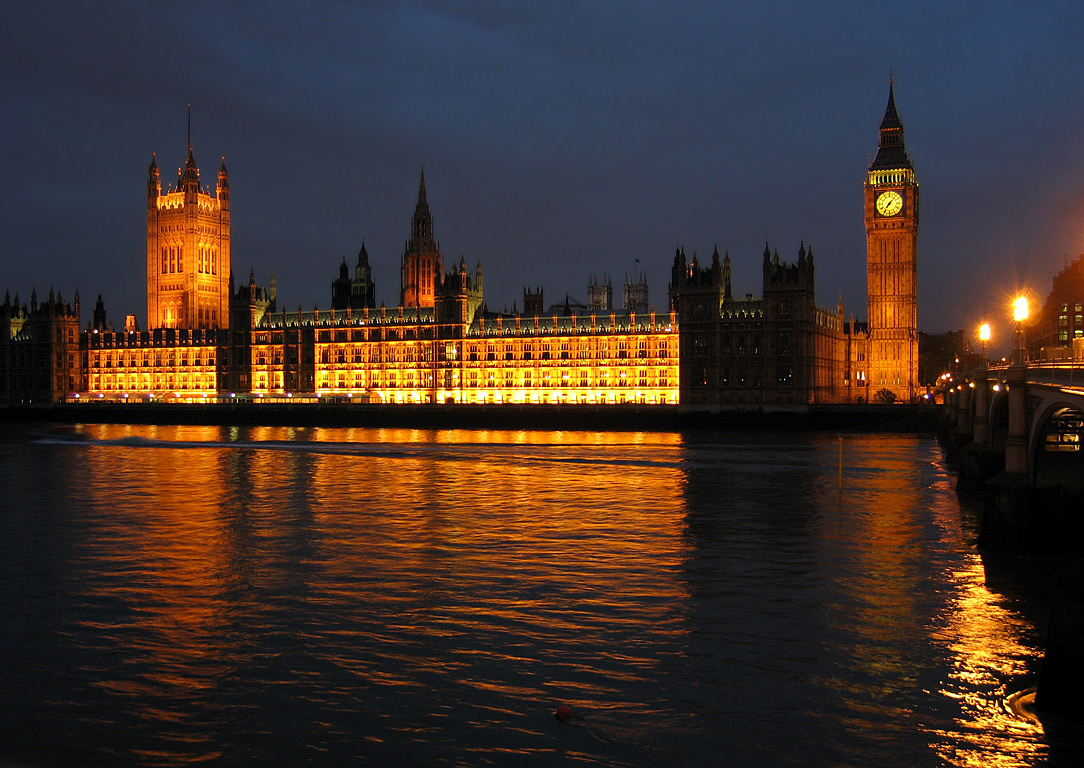
PalaceOfWestminsterAtNight, 2004 by Andrew Dunn / CC BY 2.0




Average Rating