 0
0
 0
0
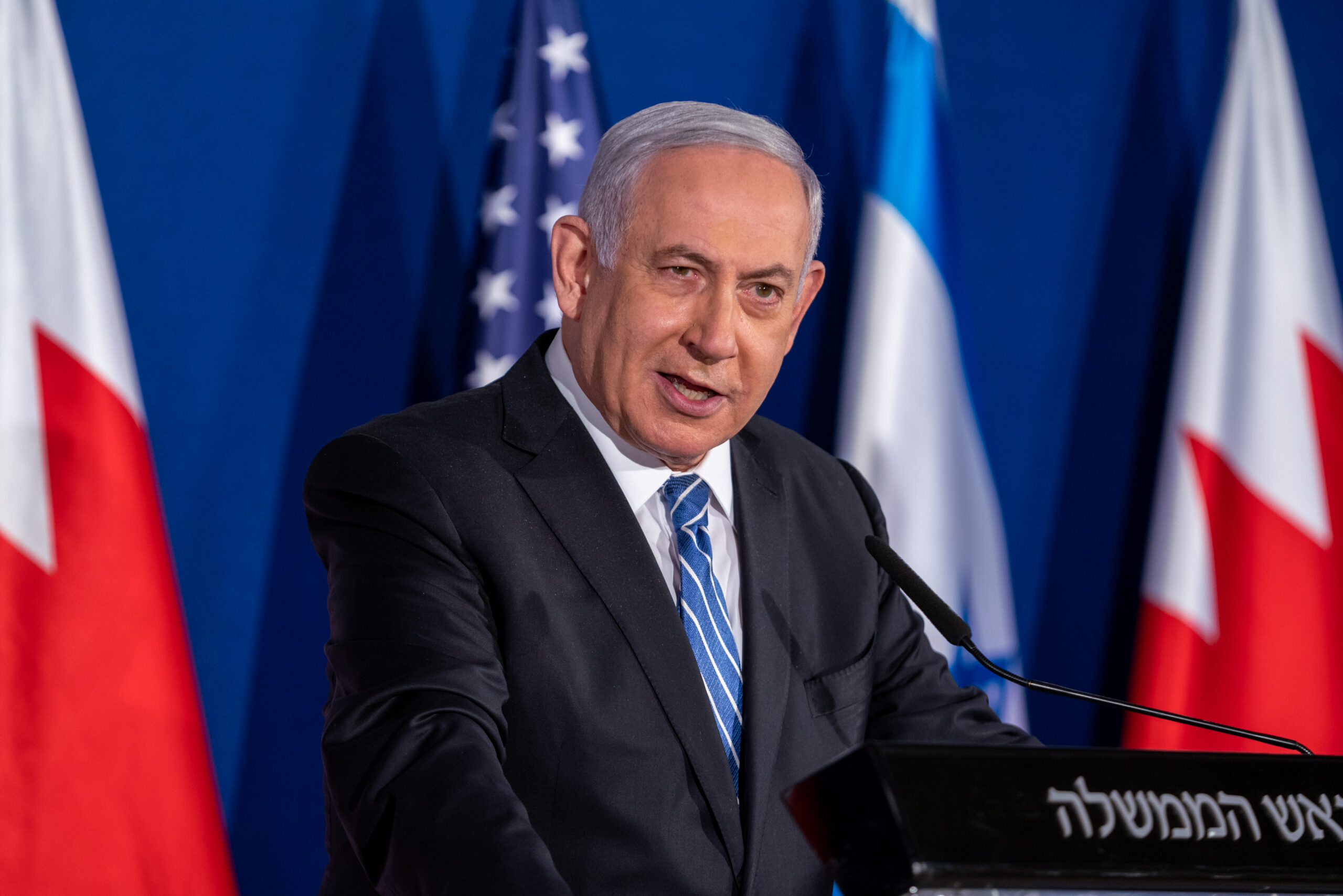
On September 24th, the UN General Assembly met under the theme ‘Restoring trust, managing transformation: a United Nations that delivers for all’. An agenda that calls for trust and diplomacy quickly became an atmosphere of division when it came time for one of the most controversial leaders in global politics today to speak: Israeli Prime Minister Netanyahu.
Imagine a room of rustling papers and quiet conversations, suddenly interrupted by an eruption of footsteps heading towards the doors and out of the hall.
As Netanyahu began his speech, dozens of delegates walked out of the chamber, quickly becoming one of the most striking moments of the assembly. Whilst the number of delegates that walked out is still disagreed upon, the disapproval of Netanyahu was extremely apparent. Israel’s military campaign in Gaza has been a known point of contention for political leaders, civilians, and governments around the world.
His speech strongly defended Israel and rejected accusations that Israel is committing genocide in Gaza. He argued that Israel’s campaign is directed at Hamas rather than the Palestinian population, in response to the events that followed on October 7th. He not only criticised countries and leaders who have openly condemned Israel’s actions, he also began calling all those delegates who walked out ‘moral cowards’. He then encouraged those remaining who did not agree with him to leave before continuing with his speech.
What was the October 7th Attack?
On October 7th, Hamas, alongside armed Palestinian militants in Gaza, launched an invasion into the south of Israel by land, sea, and air. Approximately 1,200 people were killed, and over 200 hostages were taken. The attack included the killing of civilians and soldiers, as well as reports of sexual violence and other abuses.
Why did the attack happen?
The reasons behind October 7th are rooted in decades of conflict between Israelis and Palestinians over a multitude of issues that include but are not limited to: Israeli occupation of the West Bank, blockades in Gaza, settlement displacement, and repeated cycles of Violence. The year leading up to October 7th was the deadliest year of Israeli occupation in the West Bank. The UN recorded that in 2023, 503 Palestinians and 30 Israelis had been killed in the West Bank. At the centre of a wider conflict is the question of Palestinian statehood. Whilst historically Palestine has never been a sovereign state, levels of tension have reached an all-time high in recent years. The status of territories including the West Bank, East Jerusalem and Gaza remains a central dispute in the conflict.
Following October 7th, the response from Israel began with airstrikes and was followed by an organised military ground invasion. Netanyahu defends this campaign as necessary for the security of Israel, intending to dismantle Hamas in the process.
According to the Hamas-run health ministry, over 67,000 people, mostly civilians, have been killed in the fighting; however, the UN Human Rights Council states that both sides are responsible for committing war crimes and human rights abuses. Both Israel and Hamas reject this report.
More than Gaza
Netanyahu’s speech was not only focused on this issue in Gaza; New York City Mayor Zohran Mamdani quickly became a target of direct criticism. Mamdani has been a consistent voice against the actions of Netanyahu and Israel and was accused of antisemitism and spreading misinformation.
What does this mean for the UN?
The UN was created to encourage cooperation between countries on an international level. Issues of human rights, humanitarian crisis, war, and international law only scratch the surface of what the UN attempts to address. However, over the years, the UN has become a subject of scrutiny. The organisation has faced financial pressures, while constant disagreements between influential member states make collaboration difficult. The United States is the UN’s largest financial contributor; therefore, Trump’s government starting to pull back from the organisation is a concern for its longevity.
Perhaps the events surrounding Netanyahu’s speech demonstrate one of the biggest challenges to the UN: the fact that countries do not always agree. The General Assembly provides a platform for international debate; however, its resolutions are generally not legally binding commitments. Thus, this walkout signified more than delegates leaving a room; it represents a deep divide surrounding how member states and delegates want to respond regarding the conflict between Israel and Palestine. It presents a wider question about the future of international cooperation. Whilst it may be true that the United Nations brings together 193 countries to meet under the same roof, bringing 193 countries to one conclusion is another story.
Edited by Adnana Moraru
Image: Benjamin Netanyahu, Ron Przysucha for US Department of State, 2020 // CC0 1.0 Universal





Average Rating