 0
0
 0
0
In modern politics and current international relations, there has been a rise in the use of protectionist policies, mainly used in the USA under the Trump administration. Through his use of extreme tariffs, Trump has started a trade war with Canada, destabilising their political and economic trade relationship, which in turn decreases global security and strains the alliances in North America. This was all in the name of increasing the trade of American goods, putting America’s interests directly above those of other nations such as Canada. Protectionist policies aim to protect a country’s interests, so the question lies that should UK needs protectionist policies in an increasingly polarised world.
Protectionist policies are best for the UK, as it needs to protect its economic interests in the short term, but this needs to be balanced with what is best globally and domestically in the long run. As global trade and alliances are intertwined with domestic productivity and success, to what extent do we globalise to the detriment of one area to support another? On the 28th of February 2026, the Iran war started. This led to increased tensions not only in the Middle East but globally as well, which is clearly notable to citizens of the UK through the increase in petrol and diesel prices. The war has disrupted the production and movement of products across the region, therefore leading to price surges globally to be felt by you, the consumer. The question that lies here is what a protectionist policy does here. But what would a protectionist policy do here? Why should we not trust in good old globalisation? Globalisation in the form of economic trade has been known to be successful; it relieves pressure on countries, as they don’t all need to be producers of the same material.
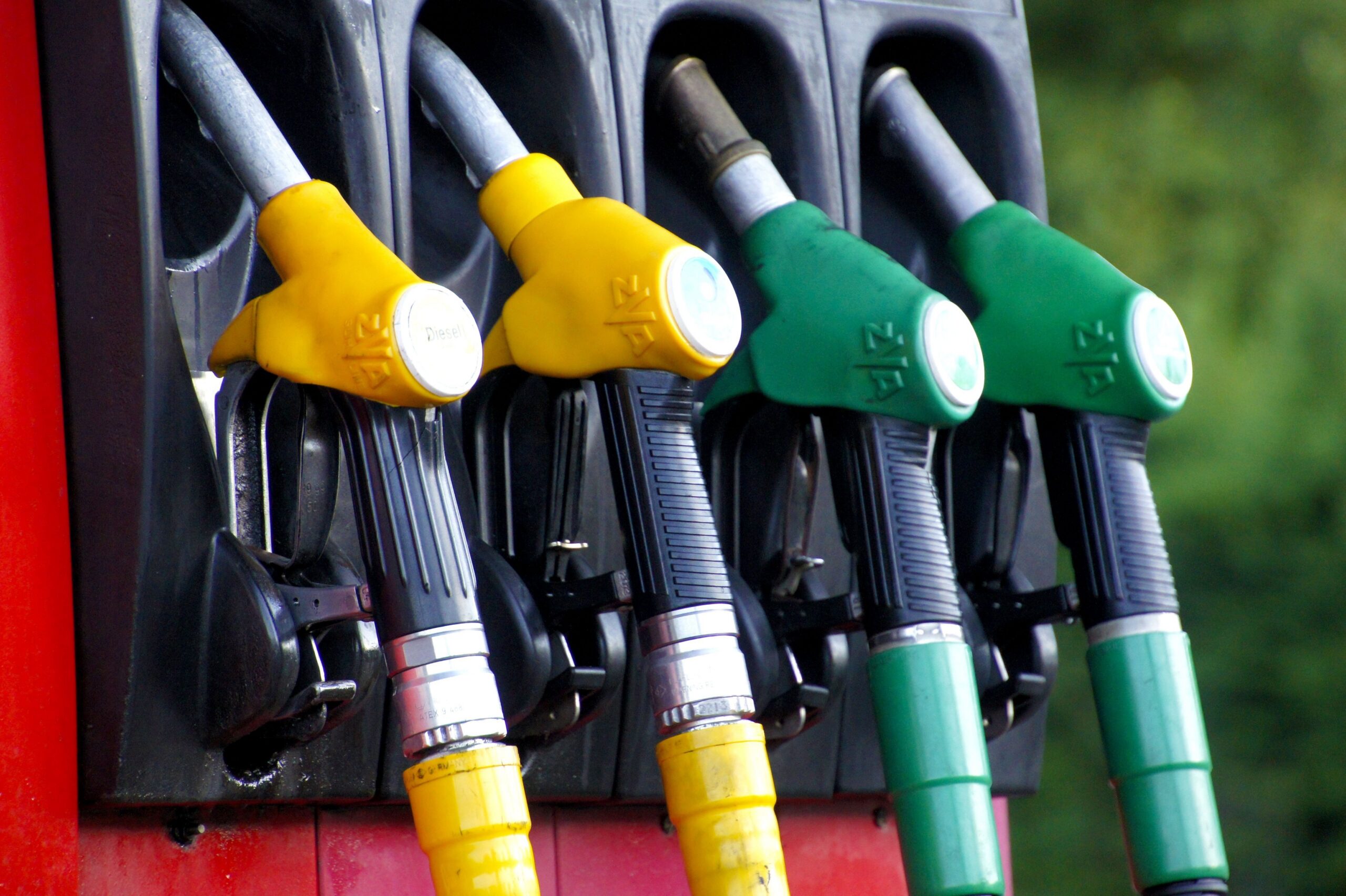
Once tension builds on the trade lines, things become harder. The desired material becomes harder to access it gets more expensive. Fuel prices today, October 7th 2026, and compare it to the 26th of February 2026, 2 days before the war started. The cost of petrol before the war was 132.9p per litre; it is now at 174.5p. That is a 31.3% increase in 8 months, and diesel is worse. At the start of the war, a litre of diesel went for 142.4p; this then rose to 199.7p at the start of October, an increase of 40.2%.\The 30% to 40% increases that are being passed to the consumer are completely unnecessary and wouldn’t have happened if we had our own domestic way of fuelling our travel. An example of this is using electric vehicles that are run on British made energy, such as nuclear power, that runs the grid. This way, the use of protectionist policies surrounding fuel would be able to protect British consumers and ease the cost of living for them.
However, there is a reason why we do have globalised trade routes. They do take the strain off states, and that is potentially useful to the UK. For example, it’s very beneficial to us that we can import some of our food that needs to be grown in a tropical climate, which is incredibly difficult to manufacture in the UK. So, although globalisation is beneficial in the way that it allows us to connect, we should not prioritise globalisation to the point that it is detrimental to us when tensions inevitably arise. The UK needs to put its prioritise its own interests
Therefore, it makes sense to impose protectionist policies surrounding essential industries such as the oil and energy needed for fuel. It makes sense to invest in our ability to function as a nation by ourselves.
Image: Fuel Pump Energy Gas by IADE-Michoko for Pixabay,2016// Pixabay Content License
Edited by: Suhaib Shaukat


Average Rating