 0
0
 0
0
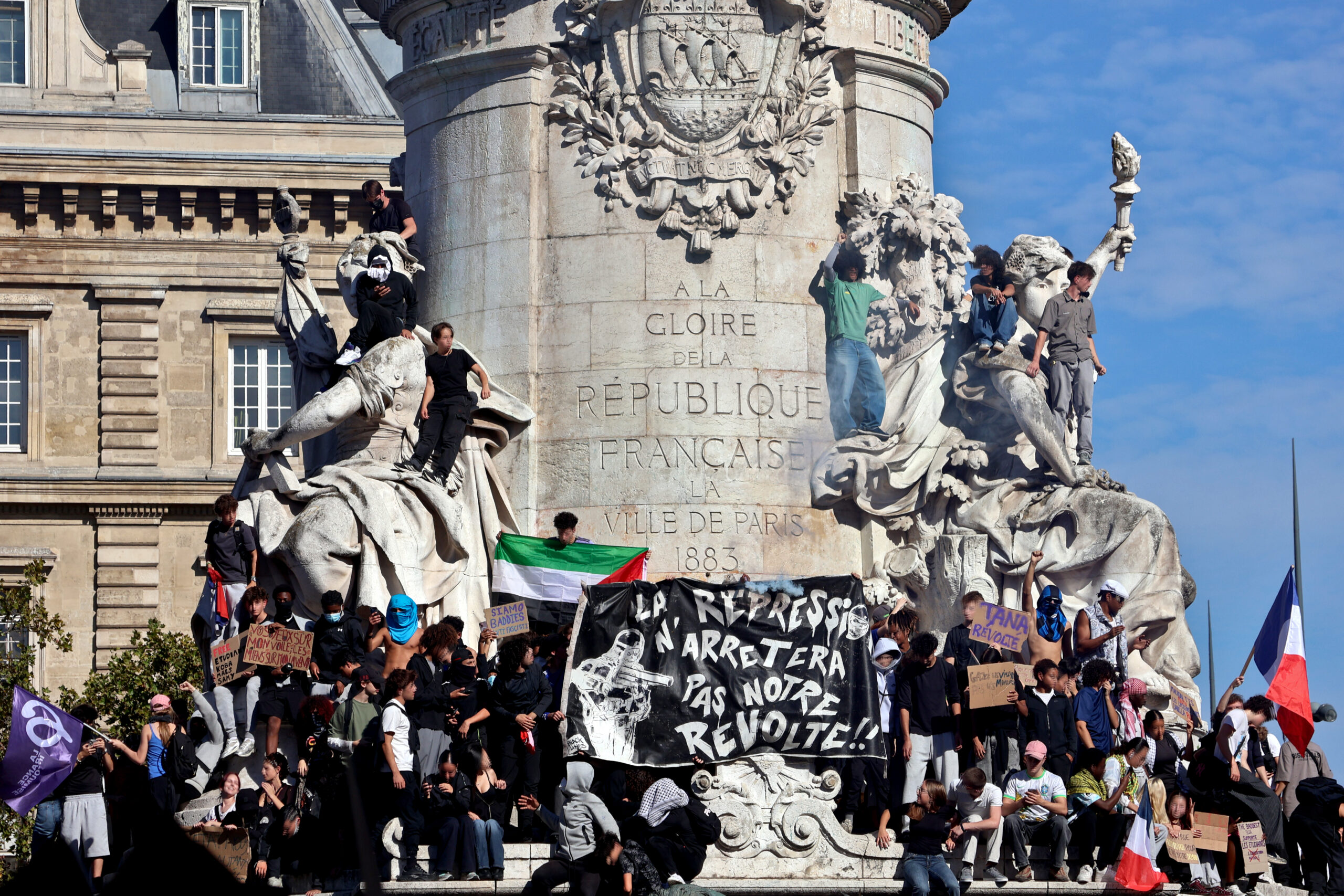
Recently, French students have been taking part in collective action to raise their concerns about the education system.
With more than 6,000 detained, 86% of which are under 18, and the desperate case of a 15-year-old from Lens losing their hand to a police grenade, these protests have been as agitated as ever.
In some cases, this has led to the complete shutdown of schools and universities in major cities such as Lyon.
With 256,000 to 450,000 people participating, this is yet another example of the French’s protest culture. Proposed budget cuts, poor public-school conditions and extreme teacher shortages have been the main drivers behind this movement. Overcrowded and, in some cases, rodent-infested classrooms and a lack of teachers have been understandably concerning students in France for some time.
Many worry about the future for the next generation of France since the OECD‘s report that 7.1% of France’s primary and secondary school teachers are not fully qualified. There have also been rising cases of resignations amongst teachers; the Ministry of National Education reports that 9.8% of scheduled teaching hours were missed, with 7.5% of these being lost due to an unreplaced absence.
The shortage of qualified teachers in France is generally attributed to mediocre salaries which fall below the Organisation for Economic Co-operation and Development (OECD) average. With teachers in France’s neighbour, Germany, being paid nearly double, it is unsurprising that the profession has lost some of its appeal.
Furthermore, social media in France has been flooded with reports of these awful school conditions, with the worst conditions seen in poor areas, raising serious questions about educational inequality across France. In impoverished Saint-Denis, students reported seeing rat-infested hallways and toilets. Burst pipes, leaks in ceilings, and lack of effective ventilation have led to some classrooms being compared to the Titanic.
Éric Charbonnier, an analyst at the OECD, reflected on the educational gap in France over concerns about the lack of social mobility, citing, “often disadvantaged students are in disadvantaged schools”.
Considering this, it is understandable why the majority of French youth are concerned about their collective future. A recent survey finds 76% of youth are concerned ahead of France’s 2027 election, while a further 74% are worried about their global position.
Certainly, the recent protests have been among the most violent seen in decades. More than 1,000 schools in France have faced disruptions, with many hundreds facing disruptions. ‘We’re skipping lessons so we can teach you one,” has been appearing on banners outside schools as their message to the Politicians.
Although peaceful protests have been maintained in certain areas, there have been cases of violence. Rocks and bottles have been thrown at riot police; rubbish bins have been set alight, and school buildings have been ransacked.
Riot police have resorted to using tear gas and controversial rubber-bullet flashballs to tackle the crowds of mostly teenagers. 14-year-old Eden was struck in the face by a police high-tear-gas grenade on September 28, fracturing his jaw and losing most of his teeth; he has since been unable to speak.
Clearly, these protests have had devastating consequences for some students and many question if they could have been avoided should the education system not have been so neglected.
Image Reference: FreCha, Manifestation lycéenne du 6 octobre 2026 à Paris, 2026 // CC BY-SA 4.0
Edited By: Evangeline Shankland






Average Rating