 0
0
 0
0
When we talk about politics, the conversation usually leads to talking about the ‘big boys’. An assertive Russia, a polarised America or a disillusioned United Kingdom. Western dominance has been shaping the global order over the past few decades, so why do we never talk about the biggest one? The country with the second largest landmass seems to get overlooked often. If bigger really was better, why does Canada never seem to be talked about, especially now with Alberta’s growing independence movement? Canada is facing a situation British readers might have heard before: What happens when a region starts to think separation is more ideal than unity.
On the 19th of October in Alberta, the Western province of Canada, a referendum will be held regarding the future of a united Canada. Albertans will vote on whether the provincial government should undergo the legal process to separate from Canada. This would not mean immediate independence, rather the start a long process of constitutional ins and outs that is requires to become a sovereign state. Voters will be met with questions about immigration and constitutional authorities, followed by the ultimate ‘yes’ or ‘no’ to become a sovereign state within the country.
The roots of Alberta’s independence movement lay in part in economic tensions between the policy makers of Ottawa and Alberta. The province is oil-rich and has a substantial gas industry where many Albertans believe federal environmental regulations are inhibiting their ability to make more profit sustainably. Central to the issue is pipeline restrictions imposed by Ottawa. The resentment then falls onto the policy making it Ottawa and the creation of what’s known as western alienation; the feeling that decisions made in the capital don’t represent or reflect the interests of the Western provinces.
Groups like ‘Take back Alberta’, ‘Stay Free Alberta’ and the ‘Alberta Prosperity Project’ have rallied support and rounded up signatures that have brought this referendum to fruition. At the helm of the movement are Mitch Sylvestre and Jeffery Rath. Sylvestre owns a gun shop, and Rath works as a constitutional lawyer. Both are members of the “Alberta Prosperity Project’ which takes a stance against the environmental policies implemented for Canada by the liberal party rule.
Around one-fifth of the people who live in Alberta signed a petition to request a vote on the issue. In doing so, those who support these groups believe that an independent Alberta would mean more control over the provincial resources and revenues that would follow. However, in a speech on the 21st of May 2026, Premier Danielle Smith of Alberta spoke out and said that she ‘will not make the legal mistake by a single judge to silence the voices of hundreds of thousands of Albertans’, referring to it as not being the ‘Alberta way’. Here we find her position to be a little more challenging after she shows support for a united Canada. For some Albertans, separation is an actual goal; for others it seems to be more of a bargaining chip to get Ottawa’s attention. The way that the Referendum is worded is also attracting a bit of attention. There is a lengthy paragraph filled with political jargon to which voters will answer ‘yes’ or ‘no’. It seems to be put in confusing terms, which critics question whether it is sufficiently clear for voters to understand. An Ipsos poll in January shows that 28% would vote yes, and within that, 20% said their vote was symbolic.
Smith seems to be defending Albertans’ right to express their opinions. She feels ‘Alberta’s future will be decided by Albertans, not the courts’, and here we are, a few months later, right around the corner from what she promised to do 5 months ago.
So where do those who share a border with Canada stand? Trump has made his views on hopes to make Canada a 51st state known. His aggressive approach towards Canada has raised concern about American influence. By setting harsh trade tariffs and calling an executive order for federal agencies to refer to Lake Ontario as Lake America, he is sending a direct message to Canadians. Antagonising Canada like this shows a deep strain that is forming within the relationship between the two. Rath, however, has told the BBC that he feels Alberta has more in common with the US than Canada. This has been followed by several trips to Washington with hopes to gain the support of the Trump administration for his movement. As of now, it is not confirmed who or how many times he has met with the Trump administration.
Prime Minister Mark Carney has a vision of making Canada an ‘energy superpower ‘, pleading to stay united. His government has designed a ‘Pacific Link Pipeline’ aiming to veer away from American reliance. This is a clear attempt to consider what is on the Albertan agenda. Whilst the vote will go ahead, it becomes clear that the positions of Canadian policymakers are in favour of remaining united.
Fundamental questions will be raised about national identity and the limits of regional autonomy. Albertans will decide if leaving is the best way to have a bigger voice in Canada’s domestic affairs. For a country often overshadowed by its neighbour, Canada’s internal tensions are calling for an important decision about the future of the state. Perhaps the way a society feels can become more powerful than the borders holding it together.
Edited by Adnana Moraru
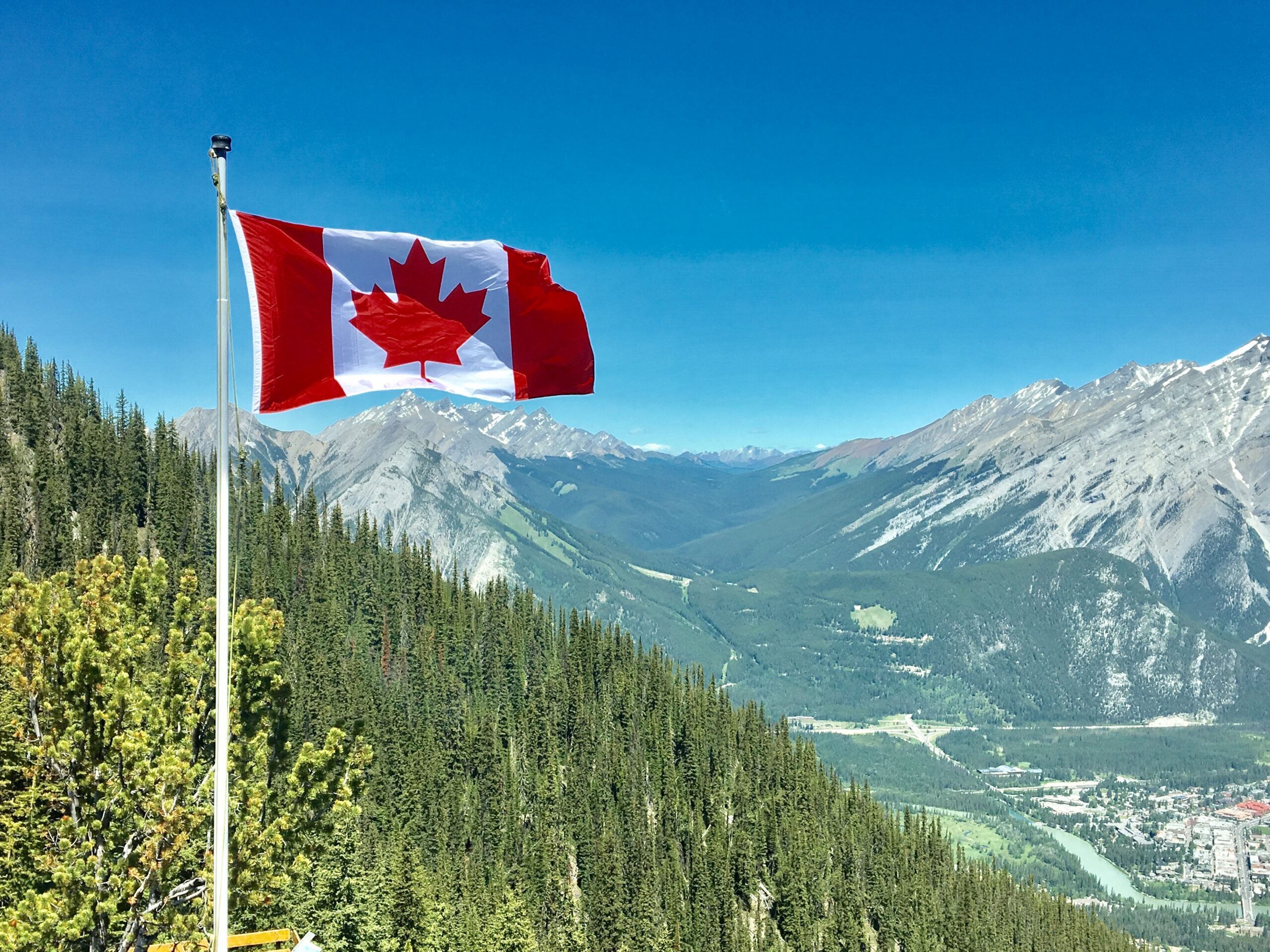
Image: Canadian Flag, Daniel Joseph Petty, 2017 // CC0 1.0 Universal






Average Rating