 3
 0
Since the United Kingdom (UK) left the European Union (EU), relations between the UK and the EU have remained strong through cooperation agreements. However, recent petitions and polling suggests that public opinion on Brexit may have changed. So, could the UK rejoin the EU?
Background information
In the June 2016 EU referendum, 51.9% of votes cast were to leave the EU. This triggered Brexit, with the UK formally leaving the EU on the 31st of January 2020, with a transition period ending on the 31st of December 2020. As a result, the UK has since operated outside of the EU single market and customs union.
The UK’s current position
Despite leaving, the UK and the EU have continued cooperation through agreements such as the Trade and Cooperation Agreement, the Windsor Framework and the 2027 Erasmus+ programme. These agreements aim to strengthen the UK-EU relations without the EU membership.
However, recent petitions and polls have suggested a shift in public opinion. One such petition listed on the UK Government and UK Parliament Petitions website called to ‘apply to rejoin the EU as soon as possible to increase growth in the UK’. This closed on the 8th of June 2026 with 111,687 signatures. Parliament debated the petition on the 12th of October 2026, with Tony Vaughan, MP for Folkestone and Hythe, opening the debate on behalf of the Petitions Committee. The government stated that the UK will not rejoin the EU and emphasised the importance of building new strategic partnerships. Nevertheless, this debate indicated the shift in public opinion to rejoin the EU. This has been further emphasised by the YouGov study published in June 2026, which found that 57% of Britons believe that the UK made the wrong decision by voting to leave the EU, including 23% of leave voters.
This opinion shift could be related to the current challenges that the UK is facing, such as pressure on the NHS, immigration, employment opportunities, and economic growth. Prime Minister Andy Burnham even labelled Brexit as doing more harm to the UK than good in his speech at the 2026 Labour Party Conference. It would be inaccurate to suggest that Brexit was the sole cause of these challenges, nor that rejoining the EU would be the solution. However, a reason for opinion shifts could be young people reacting to these challenges, who were too young to vote in the 2016 referendum but can now give their opinion in these petitions and polls.
The UK’s political future
Despite this shift in public opinion, a return to the pre-referendum relationship between the UK and the EU would be unlikely. Article 49 of the Treaty of the European Union states that for a country to apply to become a member, they must go through an accession process and secure agreement from EU member states. Thus, the UK could not simply restore its former membership, but instead would have to negotiate new terms and conditions. It is likely that the UK will continue its close cooperation with the EU, as suggested by Andy Burnham’s announcement to attend the UK-EU summit in Brussels on the 20th of November 2026 to discuss industry growth. Burnham has floated the idea of the UK rejoining the EU as an option for better UK-EU relations due to this shift in public opinion, and although the UK rejoining the EU remains open to public discussion and future political debate, the government’s current position is to strengthen ties with the EU.
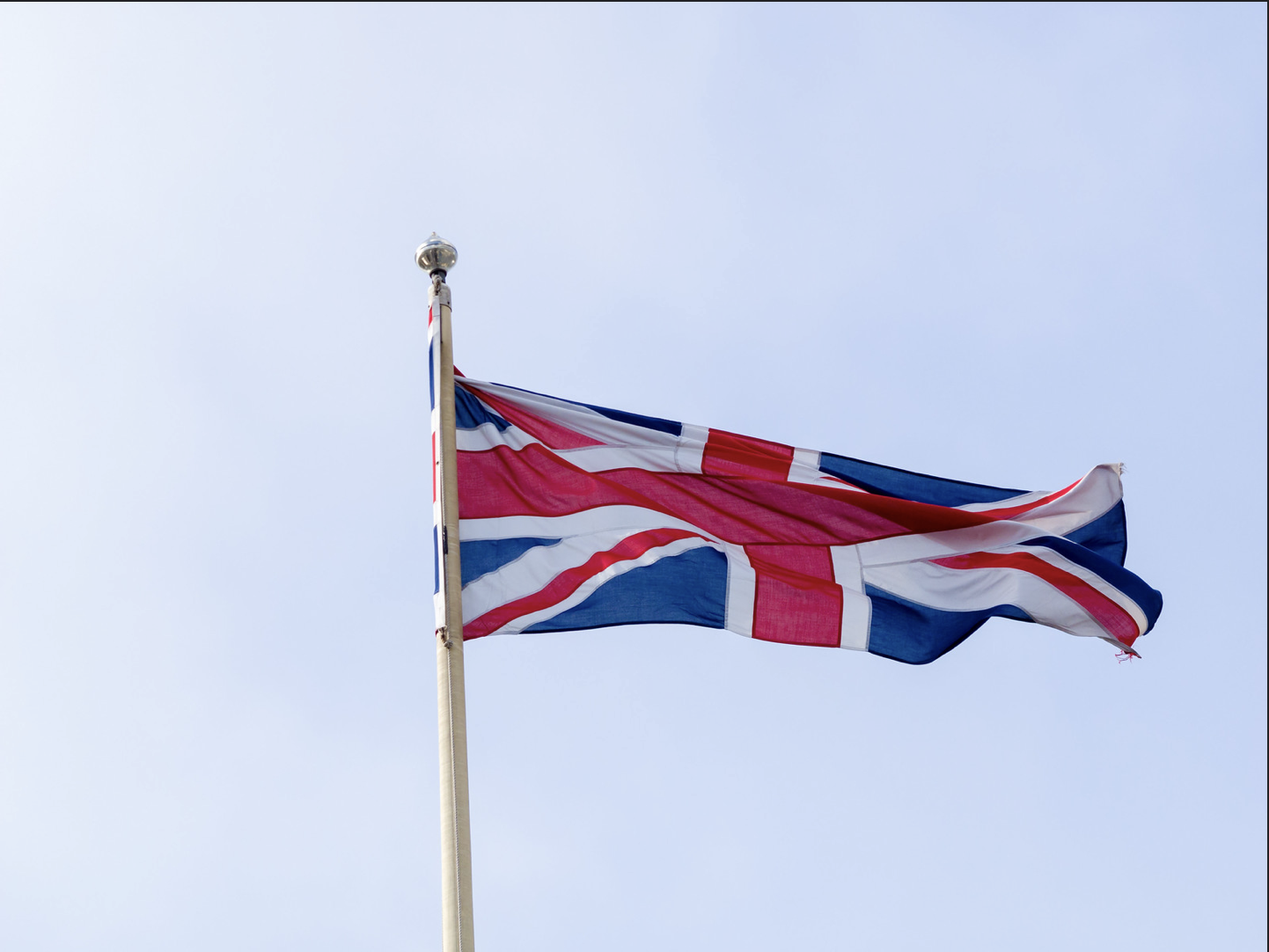
Image: Union flag, James Petts, 2016//CC BY-SA 2.0 – No changes made
Edited by: Issy Adams




Average Rating