 0
 0
How long?
The war between Russia and Ukraine has been going on for over 12 years, following Russia’s annexation of Crimea and involvement in Eastern Ukraine. Over a decade later, Russia launched their full-scale invasion of Ukraine in February of 2022. This conflict turned into a prolonged war, with growing casualties and questions about the reliability of Ukraine’s support.
No warning
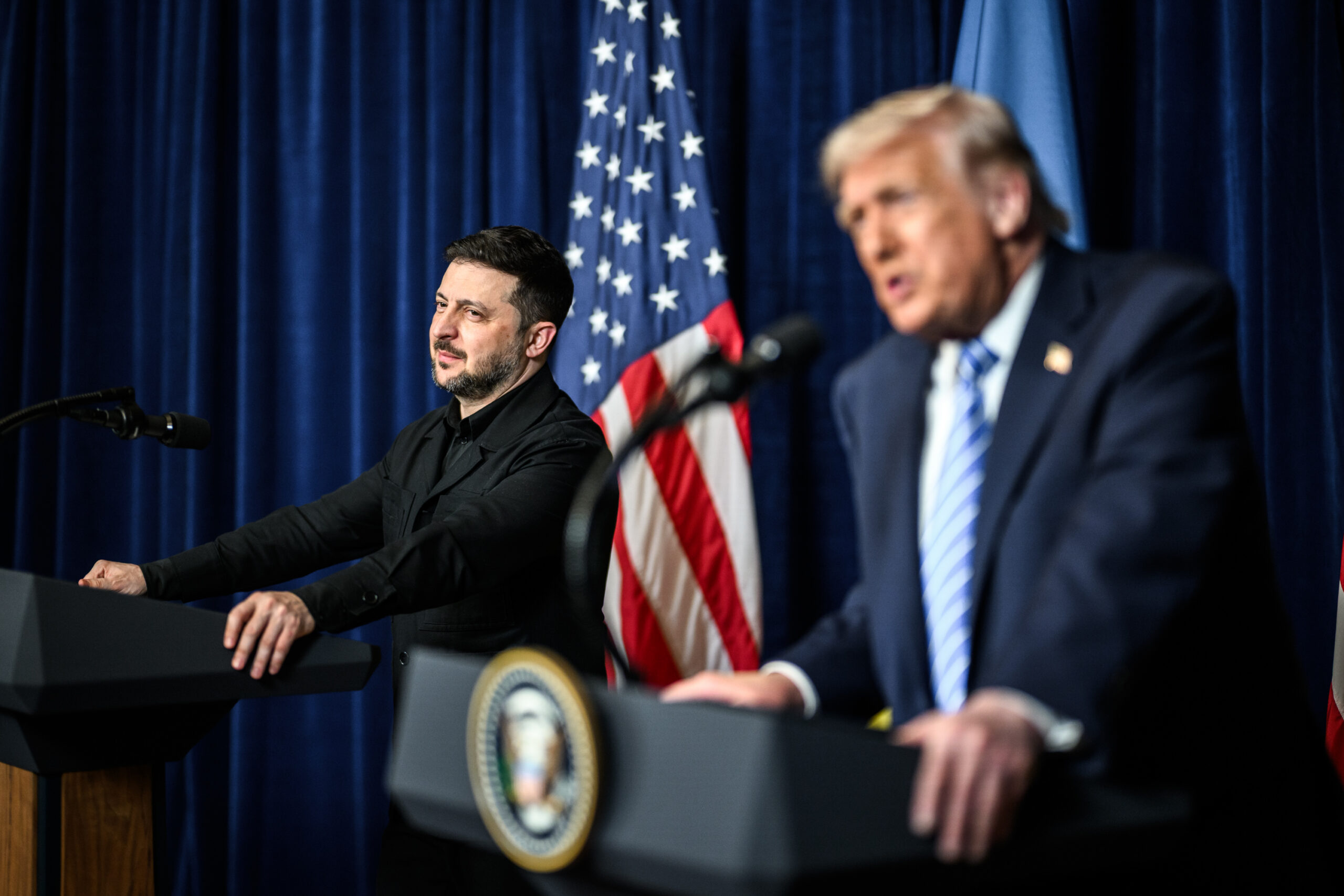
Ukraine President Volodymyr Zelenskyy has raised concerns about the lack of advanced warning from their international partners. Particularly when it means putting civilians into harm’s way, he is stressing the importance of providing intelligence to save Ukrainian lives. After recent attacks that left infrastructure damaged in Kyiv and several injuries, Zelenskyy took to the social media platform X. He pleaded for his partners to share their intel, and quickly speculation emerged that these comments were directed at Donald Trump. Subsequently, Trump responded with a claim that the US was indeed sharing intelligence with Ukraine and reiterated his desire for the war to end.
However, on the 13th of October, just over a week later, another Russian ballistic missile attack struck Kyiv, which renewed concerns over Ukraine’s access to warnings. Zelenskyy yet again complained about his lack of awareness from his supposed partners. Tensions between Trump and Zelenskyy go far beyond a perceived lack of intelligence sharing. Trump has publicly questioned Zelenskyy’s leadership, going so far as to suggest that Ukraine needs a ‘new leader’ who ‘can make a deal’. These comments were followed by more ridicule as he began to place blame on Zelenskyy for continuing the war with Russia, which has contributed to the all-time high prices of diesel. Trump seems to forget about the current difficulties of getting oil out of the Middle East, and of course his own war in Iran. Conveniently, Trump leaves out these issues in his speeches.
After accusing Zelenskyy of dragging on the war on his home front, Trump strikes deals with Putin to buy Russian diesel. Rather than treating Ukraine’s military resistance as a response to an aggressive Russian invasion, Trump’s remarks place increasing pressure on Zelenskyy to negotiate an agreement to end the war, and subsequently reduce diesel prices. This raises the question whether Washington is prioritising a sustainable settlement for Ukraine, or placing pressure on Zelenskyy to accept a deal that serves American interests.
What do rising Diesel prices mean for Trump and his Administration?
Fuel prices are more than just an economic issue; they are political. Diesel is an essential ingredient to American freight lines, agriculture, industry and societal standings. Higher prices could lead to an increase in costs for the American economy, with added pressure on households and businesses.
For Trump, this is going to create some domestic political challenges. The Republican Party has frequently linked their economic promises to lower energy costs for the American people. In 2024, Trump campaigned on promises to lower gas prices below $2 a gallon. With prices now double that proposed ideal, Americans are starting to ask questions. Less than a month before midterm elections, the divide between Trump’s promises and the realities many American families are facing is going to start fueling voter frustration.
According to a CBS News poll, despite the US still having a growing economy and reasonably low unemployment rates, 9 in 10 Americans say that the cost of living is what shapes their view of the economy the most. Consumer prices have spiked since Trump’s attacks on Iran, which have disrupted oil shipments and driven up gas prices.
Could the democratic party use this to their advantage?
Democrats could use rising prices to challenge the Trump administration’s economic record. However, it isn’t as simple as this. Whilst Trump’s recent foreign politics have created higher prices leading to questions about unfulfilled promises, there is more here to unpack. Many Americans who voted for Trump do support Iran, and his cult of personality still does have a chokehold on lots of American voters. I do believe this will leave a stain on Trump’s approval rankings, and there are talks of its effects being shown in the results of the midterms. Ukraine’s experience raises questions not only about the potential shifts in voting patterns in Washington, but also about the future of US global leadership and how secure other nations can feel relying on Trump’s America.
Edited by Adnana Moraru
Image: President Trump and Zelenskyy press conference, Official White House Photo by Daniel Torok, 2025 // CC0 1.0 Universal




Average Rating