 0
 0
Iran’s oil exports appear to have reached a standstill under the US naval blockade, but the financial consequences are unfolding more slowly.
On 19th October, Bloomberg reported that no tankers had docked at Kharg Island, Iran’s principal crude-exporting terminal, since late August, with shipping data and satellite imagery indicating a prolonged halt.
Two days later, The Wall Street Journal reported that Iran’s offshore oil reserves in Asian waters had been exhausted, removing a crucial buffer that had allowed Tehran to continue selling crude to China despite the blockade.
Yet a standstill in exports does not immediately mean no revenue for oil. According to Homayoun Falakshahi of energy analytics firm Kpler, payments for previously delivered shipments could continue until mid-December. These estimates were reported by Iran International, a London-based outlet openly critical of the Iranian government. The December date is a projection based on expected payment schedules, not confirmation of when Iran’s receipts will actually cease.
However, although Iran might still be receiving payments for oil already sold, this temporary financial cushion is expected to wither away. If the blockage continues, monthly oil revenue could fall to zero, with no clear indication of when, or whether, new exports will be possible.
The stakes extend beyond the oil industry. According to The Wall Street Journal, oil sales account for approximately 30–40 percent of Iranian government revenue and remain the country’s largest source of foreign currency.
The newspaper also reported that the rial had fallen by roughly a third against the dollar since early July, contributing to inflation. Oil revenue matters twice over: it helps finance government spending in rials while providing the foreign currency needed to pay for imports. If these receipts shrink, a government facing a budget deficit may resort to monetary financing, potentially adding to inflationary pressure. Meanwhile, reduced access to foreign currency can make imports more expensive and harder to obtain. Reuters reported that Kpler analyst Homayoun Falakshahi warned the export collapse could force Tehran to finance spending by printing money, risking higher inflation. The causal risk is credible, although the available evidence does not establish how far this precise chain of effects has already unfolded.
The blockade has also exposed the limits of Iran’s alternative export routes. Estimates cited in reporting on the oil market suggest that transporting 50,000–100,000 barrels of oil per day through Iraq would require thousands of truck movements, replacing only a small fraction of Iran’s former maritime exports.
Overland routes may therefore provide some relief, but are unlikely to compensate for the loss of large-scale tanker shipments.
Nevertheless, the extent of the damage remains uncertain. Iranian Central Bank Governor Abdolnaser Hemmati has claimed that Iran’s foreign-exchange reserves are sufficient to withstand economic pressure beyond the end of Trump’s administration, while dismissing claims of economic collapse as an illusion.
Yet he disclosed no figures demonstrating the reserves’ size, accessibility or ability to cover future needs. His assurance is therefore an unsubstantiated claim, not evidence that Iran can withstand a prolonged loss of oil revenue.
Meanwhile, a 23rd October report by the opposition-linked National Council of Resistance of Iran cited severe inflation and falling household purchasing power. Although its political affiliation also warrants caution, the reported figures point to economic pressures that sit uneasily alongside the government’s confident rhetoric and require independent corroboration
Iran’s predicament is therefore not simply that its oil has stopped flowing. Its remaining payments may be temporary, alternative export routes are limited, and the loss of foreign currency could compound existing economic pressures. Whether this produces a wider economic crisis will depend on how long the blockade continues, what resources Tehran can access and how the government distributes the costs. The evidence points to mounting pressure, not yet to a demonstrably inevitable collapse.
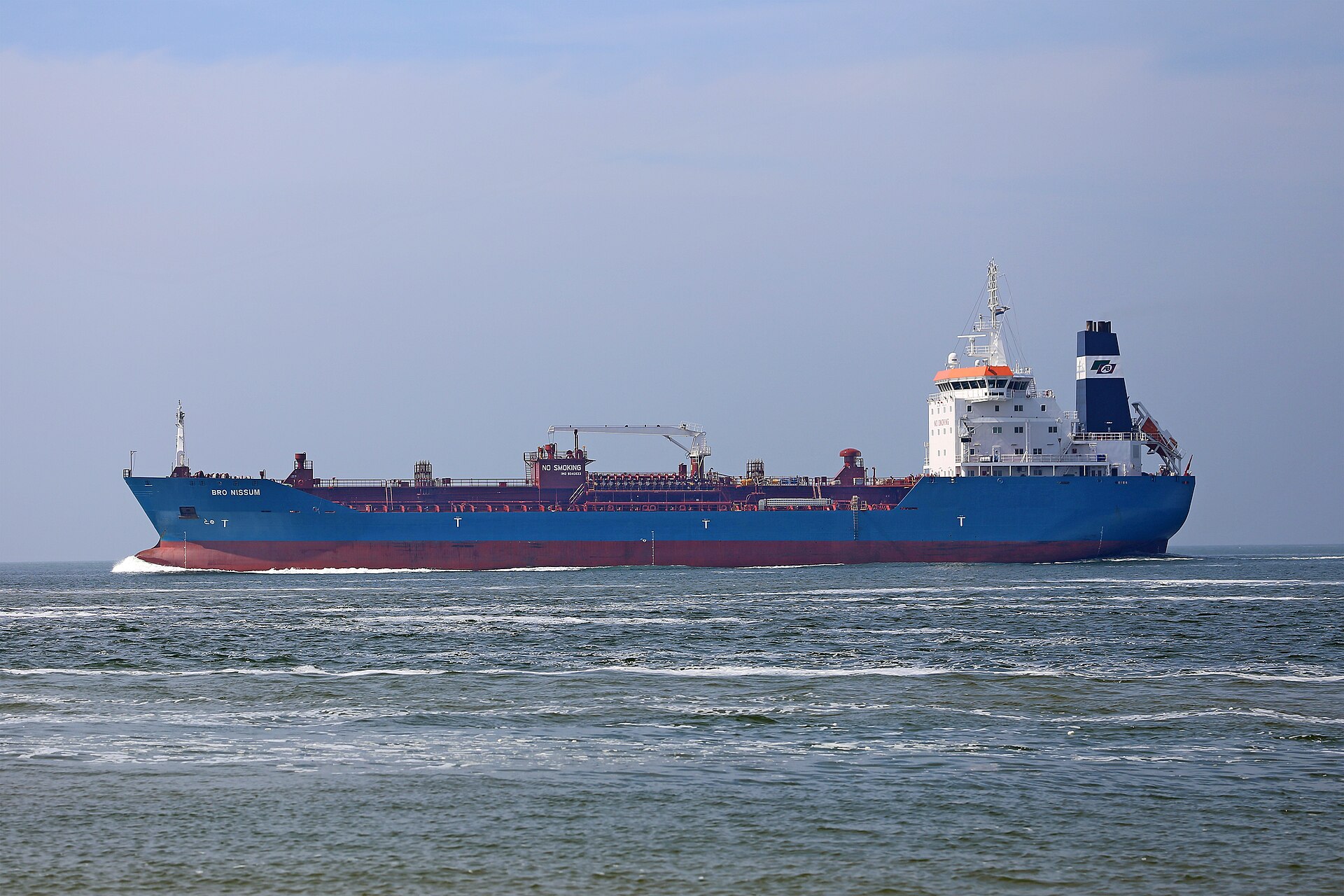
Image: Oil Tankers, W. Bulach, 2019 // CC BY-SA 4.0
Edited by Amelie Barker




Average Rating