 0
 0
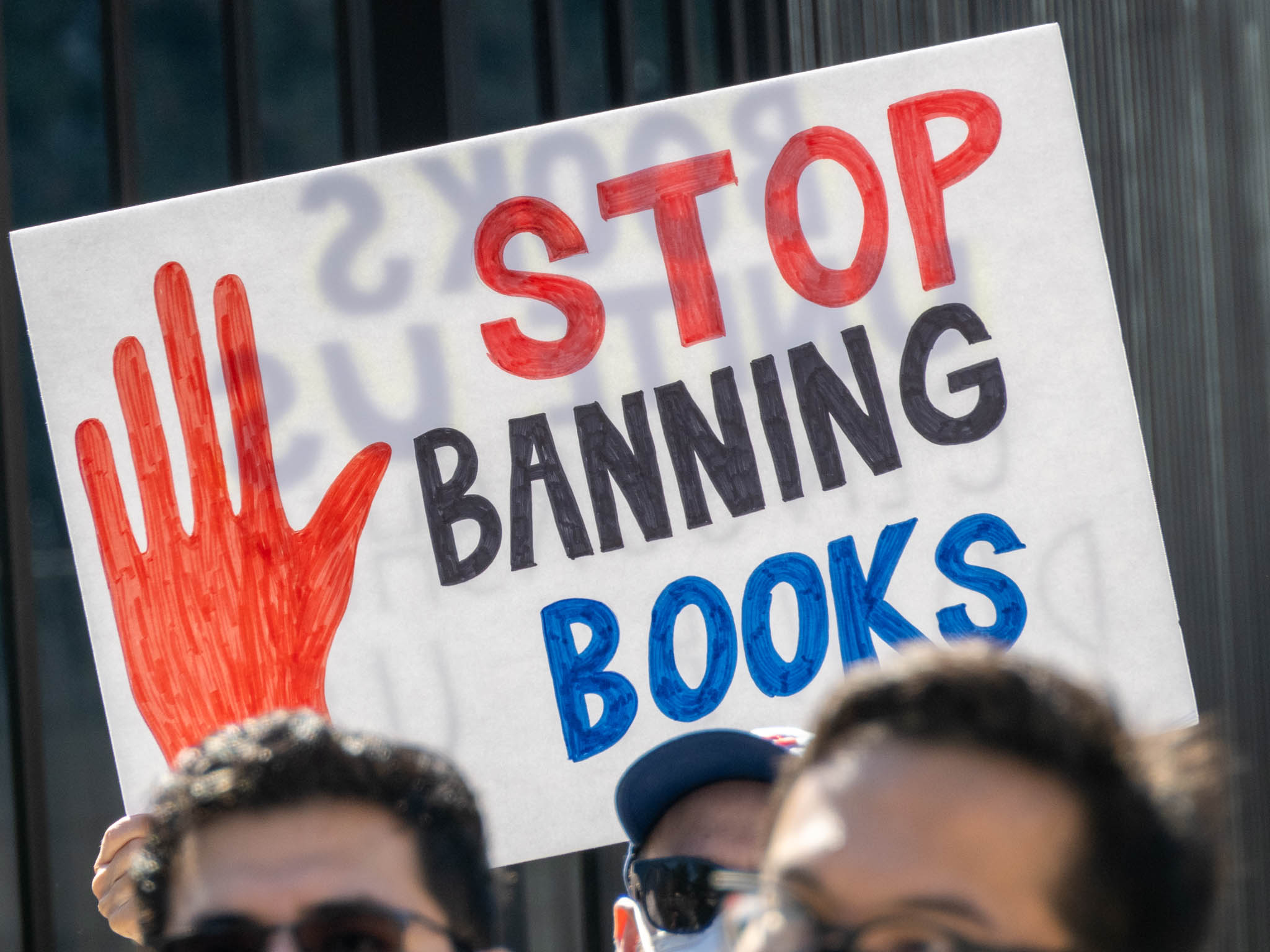
Books in schools and local libraries are becoming the battleground of the American culture war. In the 2025-26 school year, nearly 12,000 books were banned in public schools in the USA.
Since 2021, the systematic banning of books and removal of certain types of literature has increased exponentially. What began as pressure from local groups such as Utah Parents United has morphed into an assault by organised groups with backing from elected officials, raising concerns about the rise of censorship.
This ‘parental rights’ movement has joined forces with the right’s anti-woke agenda to create a dangerous threat to democracy. Book bans violate the first and fourteenth amendments; not to mention Title IX rights. The most commonly banned books (including titles such as The Bluest Eye by Toni Morrison and Gender Queer by Maia Kobabe) noticeably explore diverse themes and experiences. The Bluest Eye follows the experiences of a young black woman in 1940s Ohio. Shockingly, many of those campaigning to remove such works have never even read them, arguing for their removal based on short, provocative excerpts.
Removing books with LGBTQ+ themes from libraries is just the latest step in the conservative right’s movement to ‘shield’ their children. In 2022, at least 17 states had introduced bills with measures such as gag orders to restrict the way teachers discuss American history and news. This included pulling books off library shelves. The reasoning behind this? Suppressing divisive concepts. By masking their objections with the rhetoric of parental rights or unease over sexually explicit content has enabled various movements to limit discussions of race, gender and sexuality in the classroom.
A key target of these campaigns is books with discussions of sexual encounters. David Smith highlights that ‘during the 2024-25 school year, more than a third of all banned titles featured consensual sexual experiences but PEN America found claims that the books contained “explicit” or “obscene” content a gross mischaracterisation.’ Limiting young people’s access to literature that could discuss topics considered taboo in their social sphere has the potential to damage their development.
These state-level restrictions come alongside a national, federal effort to limit education. One of President Trump’s first executive orders moved to dismantle the Department of Education entirely. In 2025, over $6 billion in school funding was paused as part of the administration’s efforts to decentralise education. What this has resulted in, however, is greater strain on an already struggling education system.
In the courts, too, there has been greater sympathy to this cause than before. The 2025 Mahmoud v. Taylor ruling allowed parents to opt their children out of classroom readings – on religious grounds – if the books feature LGBTQ+ themes.
The rise of authoritarianism is always accompanied by an attempt to restrict information access. An uneducated populace is easier to control, and limiting the literature which children can obtain appears to be a move in this direction.
Certainly, it is clear that there is a movement on the American right to limit what their children read. According to PEN America, more than 90% of Young Adult titles banned during the 2025-2026 school were fiction. This fundamentally strips young people of access to the books which would encourage a love of reading. More significantly, this allows increasingly politicised and partisan school boards a concerning degree of oversight.
Concerns have also arisen over the potential for self-censorship. Authors are dependent on sales for their income. If their books are banned in some areas, this limits their success. The subconscious thought that excluding certain themes within their work, making it less controversial, in order to sell better, has the potential to minimise the discussion of important themes in literary works.
This is not to say that there is not fightback. Organisations like PEN America and the ALA continue to raise awareness of the growth of book bans, and the ACLU, amongst others, has been challenging them in court. But with backing from establishment figures, fears continue to grow over where the censorship will stop, and whether young Americans will be able to read what they want.
Image: Book Banning Protest, Atlanta, by John Ramspott, 2022, CC BY 2.0
Edited by Rhyme Elson


Average Rating