 0
 0
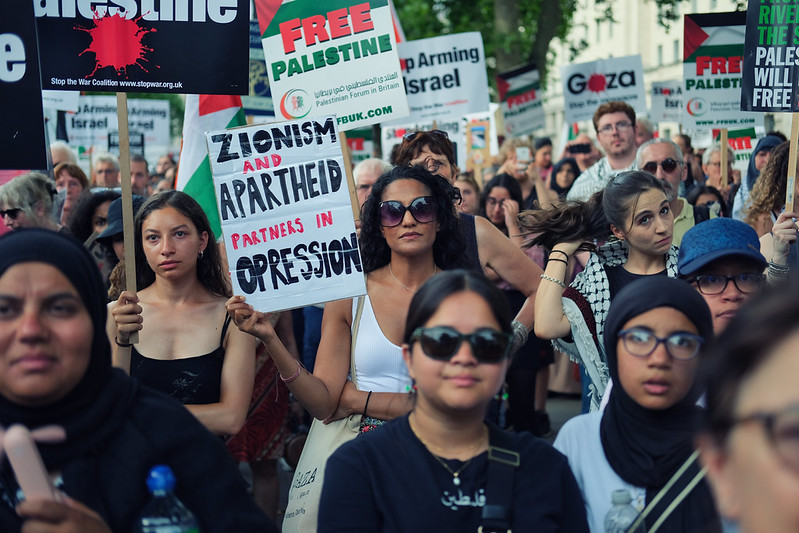
Following their new anti-Zionist policy, the Green Party has received significant backlash, including an ultimatum from Labour.
On October 4th, members of the Green Party voted 1022 to 813 to adopt a motion that recognises Zionism as a form of racism. It defines the ideology as an “ethnonationalist political project” and clearly outlines the party’s opposition towards it. However, the motion immediately sparked both external criticism and unrest within the Green party itself. Four out of five Green MPs were against the policy, stating they were “deeply saddened” by it. Only Zack Polanski, the party’s Jewish leader, backed it.
Despite the party announcing that the policy has been a “deeply felt debate” for their members, there is concern for some that the motion was primarily pushed by newcomers to the party who are only focused on the issue of Palestine and “have no interest in anything else”. Many new members joined through the “Greens for Palestine” movement which encouraged supporters to earn membership for the Green Party.
According to Israel’s foreign ministry, the policy is a “clear antisemitism text” following the International Holocaust Remembrance Alliance as it denies “Jewish people’s right to self-determination.”
The Green Party has been explicit in not equating anti-Zionism with antisemitism. Zack Polanski stated that they “know there is no conflict between supporting the rights of Palestinians and the rights of Jewish people”. To some members of the party, this highlights the clear distinction between Jewish identity and the ideology of Zionism.
However, while the opinion of Jewish Green Party members is very divided, there are reasonable fears that the policy could cause them to be excluded or disciplined for belonging to Jewish organisations which officially support the Zionist mission.
Salma Yaqoob, a backer of the policy, insisted that “nobody will be removed, challenged, disciplined, suspended because they put forward or articulate their belief in Zionism.” Despite this, many people still feel unsettled by the policy, and there are reports that a few members are consulting lawyers on whether this new motion breaches equalities legislation in the UK.
Adam Wagner, a barrister that has previously worked with equalities act infringement in politics, stated that “I think there is a strong risk that the motion as passed contravenes the Equality Act 2010”. This is not a good sign for the Green Party who pride themselves on being one of the most open and progressive parties in UK politics.
More recently, the Labour Party has issued an ultimatum for the Greens regarding this policy. Led by Labour Chair Bridget Phillipson, Labour has ordered its groups from 18 local councils to demand a formal repudiation of the policy from the Green Party groups. If the Greens refuse to reject the policy within seven days, local Labour groups have been instructed to disband all power sharing arrangements.
Not only could such an act lead to the collapse of local governments, the rift growing between the Green Party and Labour is crucial, especially in the light of the fractured right and centre parties in UK politics. If the most closely aligned political parties cannot agree on monumental issues such as Zionism and the rights of Palestinians, where does that leave the future of our government?
With recent calculations indicating that no single party would receive the majority vote, a rainbow coalition is looking likely for Downing Street, but how will this play out following both the divide within the Green Party itself, and their growing instability with Labour?
Edited by Lily Groves
Image: Zionism and Israeli Apartheid by Alisdare Hickson// CC BY-NC-SA 2.0



Average Rating