 2
 0
Celebrations occurred across Serbia following high-stakes parliamentary elections this Sunday (25 October), with the student-led Students List winning a projected majority of 52.65% of the vote. By contrast, the incumbent Serbian Progressive Party (SNS) gained 39.7%, according to the latest figures. The election has received widespread coverage, following the announcement in early September by President, Aleksandar Vučić, leader of the SNS since 2017. The election has been watched closely due to its challenge to the majority that the ruling SNS has held since 2012.
CONTEXT:
Calls for Vučić’s resignation, and opposition to his administration, have been growing since the fatal collapse of the canopy of Novi Sad train station on the 1st November 2024, killing 16 people, and sparking a wave of protests across the country. This tragedy caused outrage, leading to the formation of a formal opposition, the ‘Student List’, a first in the Balkan nation’s history since independence in 2006.
The term limit for presidency was due to end next year, with Serbia’s constitution stating that an election must be held within three months of the term ending, but following high profile resignations and another summer of unrest and protests, parliamentary elections were called, and Vučić himself stepped down from the presidency on the 27th September 2026, being replaced by interim-president, and former Speaker of the National Assembly, Ana Brnabić. At the time, Vučić stated that Presidential elections would occur within 90 days of the parliamentary ones.
ELECTION:
To form a majority in the Serbian political system, a party must achieve over 126 of the 250 available seats in the Serbian Parliament.
Throughout the autumn, the ruling SNS focused its campaign message on economic stability, with the opposition Student List coalition focusing on systemic governmental issues, alleging that a lack of political accountability directly led to public safety failures, and demanding reforms to the state-controlled media outlets. Over the days leading up to the election, the students held demonstrations in key cities such as Belgrade and Novi Sad, with Vučić holding televised political rallies.
Serbia’s geopolitical goals of joining the European Union (EU) have led to this election being carefully monitored by watchdogs, with controversies occurring throughout the election process regarding external influence and voter numbers. Some concern has been raised, such as that in the monitoring report published by the independent watchdog CRTA, over voter inequality and political transparency.
GEOPOLITICAL IMPLICATIONS:
Beyond Serbia, this election holds great significance. Whilst being a candidate country for EU accession, Serbia also maintains close diplomatic and economic ties with the People’s Republic of China, and the Russian Federation. Vučić’s administration carried out a policy of political ambivalence, resisting alignment to Western sanctions on Russia following their 2022 invasion of Ukraine whilst still meeting with Ukrainian President Zelensky in early August. The country is a major recipient of EU funding, but also has close ties with China and their Belt and Road initiative, receiving heavy investment from Beijing. As a consequence, this election has been heavily monitored for electoral credibility, with heavy focus being on the outcome of this election for Serbia’s international alignment, whether they will become more Euro-centric, or lean more towards their partnerships with Russia and China.
RESULTS:
The Students List is projected to gain 140 seats out of the 250 in the Serbian National Assembly, according to preliminary results, with the SNS retaining 103 seats, and the remaining seats to be divided among regional minority parties.
OUTLOOK:
As Belgrade transitions into the complex post-election phase the focus immediately turns to the independent consensus on the vote’s integrity. Independent watchdogs continue to monitor polling station complaints, though the immediate tension was reduced with Vučić announcing late on Sunday night “it is clear that we have lost these elections”. Furthermore, due to Vučić’s announcement of Presidential elections to occur within 90 days of the Parliamentary elections, the country must prepare to vote again in the coming months, and acting president Ana Brnabić will oversee this transition.
The defining legacy of this election is the impact that student-led protest, and the significance of the younger demographic, can have in shaping a country’s future. Transitioning from a resistance movement, to a political party, to now holding a majority in the National Assembly, the movement has fundamentally re-aligned the domestic political landscape, with their new focus on internal reforms, EU candidacy and balancing their foreign policy interests, this victory marks a sharp departure from the political structure which has been the status-quo for the past 14 years.
Edited by Seth Dellow
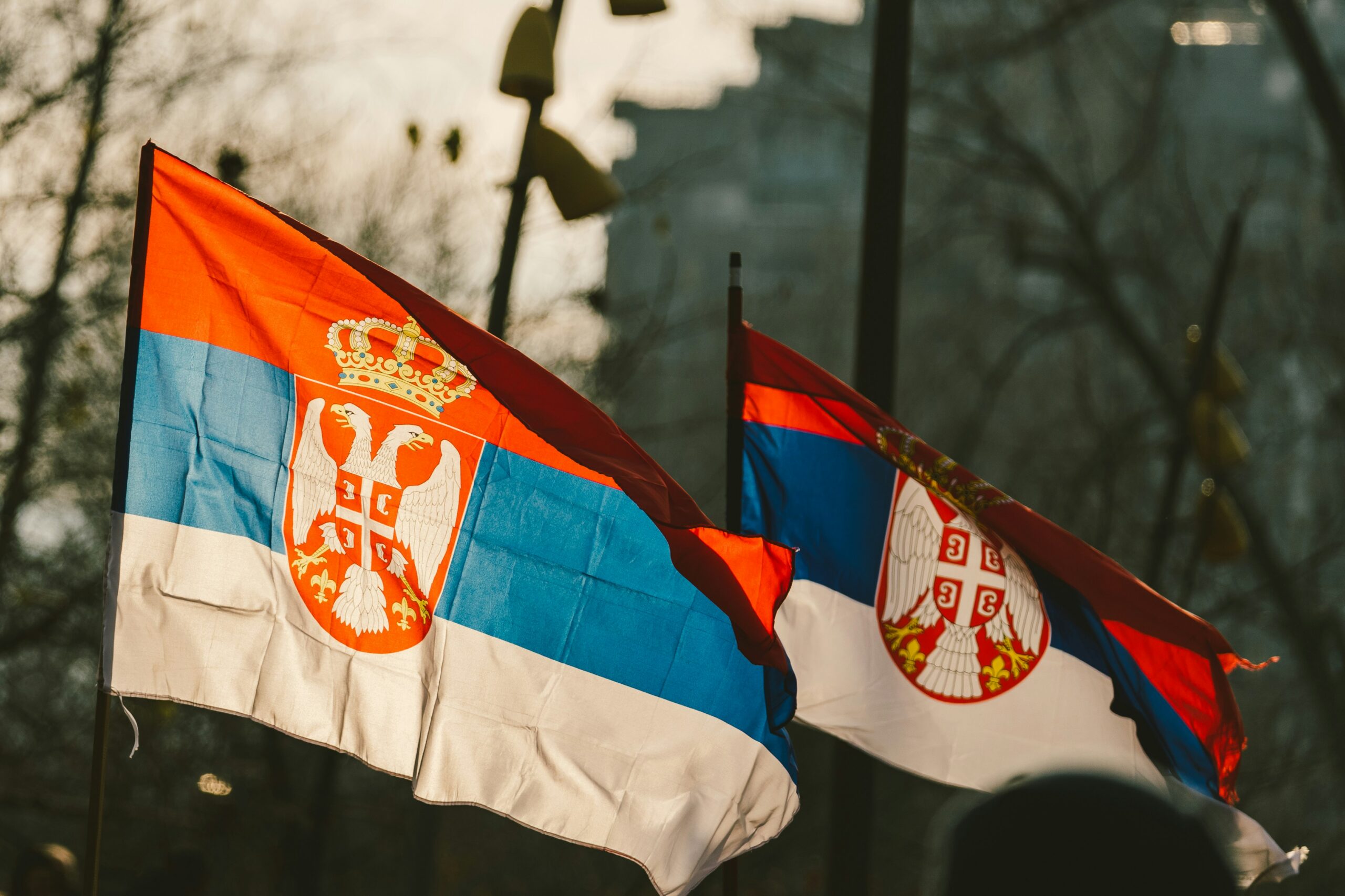
Image: CC Photo by Stefan Kostić on Unsplash; 2022.




Average Rating