
 0
 0
On the 28th of October, chancellor John Healey announced Labour’s 2026 autumn budget, this outlined measures affecting household finances, taxation, businesses and housing. This budget focuses on lowering living costs while supporting economic growth.
One of the main announcements of this was a £100 household energy payment. This payment is coming in January 2027 for households in council tax bands A to D in England and is expected to reach around 20 million households. Additionally, the temporary VAT cuts on electricity bills will be extended until the 1st of July, this will end on the 31st of March 2028 and will be funded by increasing the bank corporations tax surcharge from 3% to 6% for 15 months.
They have also outlined plans to make Britian’s energy cheaper by reducing Britain’s exposure to volatile international gas prices.
Housing was also a talking point with a scheme called the ‘your first home scheme’ which will help 70,000 people get on the property ladder and save first time buyers hundreds of pounds a month. A focus on building more affordable homes was also spoken about with a further 1.5 billion pounds more going towards social and affordable housing. This takes total capital investment to 40 billion pounds over the next ten years. Rough sleeping and homelessness are also being tackled with £432 million over the next two years to help people living on the streets.
Britian is also attempting to lead in the artificial intelligence sector; the governments most ambitious AI package yet is going to involve a £700 million pound investment into tackling the risks of AI and using its potential to raise living standards for the British people, strengthen national security and support working people across the country. A big question regarding AI is data centres, the government have pledged a new data centre covenant, this will unlock the infrastructure Britain needs to develop AI while ensuring communities share in the benefits.
Drivers are among a large demographic that are being supported with a the 5p cut to fuel duty planned for further six months. The planned retail price index is also being deferred to the first on July 2027 in order to support families and businesses. This decisions on fuel duty will save the average car driver £230 while the average larger goods driver will save £472 and heavy goods drivers nearly £4000 compared to the last governments plans, this means petrol and diesel will be 15p per litre cheaper from April 2027.
Electric car owners are also being supported with price cuts at local lower powered public chargers in order to reduce the cost for electric vehicle drivers who use them, this on average will save £150 a year.
Backing investments in Britain: this section of the budget mainly focuses on overall development with areas such as £20.4 million to the national wealth fund and British business bank, this strengthens public finance institutions and reindustrialising and regional growth.
Almost 140,000 jobs in sectors such as advanced manufacturing, AI, defence, technology and clean energy, have been expected due to recapitalisation.
Lots more areas were touched on in this budget such as security with a £14 billion pound increase in defence spending over the final year of the last government. There are also welfare reforms, such as increasing face to face assessments for health benefits. This also ties in with the government tackling fraud with new measures expecting to save 1.4 billion pounds between 2027.
This budget outlines the governments focus on lowering prices for people and businesses on everyday things such as their energy and petrol, developing the country’s infrastructure and making Britain more prominent in industries such has AI.
All information found on gov.uk
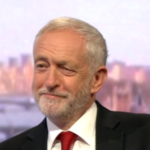
Image: John Healey ©House of Commons// CC By 3.0
Edited by Abigail Thomas



Average Rating