 0
 0
At A Glance
With all the votes counted, there is still no clear winner in the 2026 Israeli elections. Netanyahu has failed to secure a majority, as has Eisenkot, his main rival.
This election has seen the highest voter turnout in more than a quarter of a century, driven in part by deep divisions over the actions of Netanyahu’s government. Of particular concern is security failings, corruption, exemptions to military conscription, proposed judicial reform and the cost of living.
Palestinian citizens make up 20% of the population and parties representing them have gained a seat share that could help the anti-Netanyahu bloc form a majority coalition, but there is historical resistance to partnering with Arab-led parties. Likud, Netanyahu’s party, have made unsubstantiated allegations of election fraud against them.
This is the first general election since October 7th, where Hamas militants killed 1200 Israelis and took 251 hostages. Israel has subsequently waged war in Gaza, Lebanon and Iran and the UN has repeatedly found the government guilty of committing genocide in Gaza.
How Do Israeli Elections Work?
Israel elects all 120 members of its parliament, the Knesset, by proportional representation every four years. There are no legislative districts, meaning that the proportion of seats awarded to each party is equivalent to their proportion of the national vote.
Every past Israeli government has been a coalition, though it is technically possible for a single party to receive a majority.
Once the votes are counted, the President, currently Isaac Herzog, consults each party to determine which leader is most likely to be able to form a majority coalition. This leader need not head the biggest party, only have the most support across the Knesset. That leader then has 28 days, extendable to 42, to secure support. They may negotiate policy and powerful roles, like cabinet posts.
Should they fail, the President selects a second candidate, and if they are also unsuccessful a third candidate is appointed directly by the Knesset. New elections will only be held if all three candidates cannot form a majority coalition within the timeframe.
Reading The Results
With almost all of the ballots counted, Netanyahu’s coalition has lost its majority and the main opposition bloc have also failed to surpass 61 seats. Netanyahu’s bloc has secured 53 seats, Eisenkot’s 48 seats and Arab-led parties 19 seats.
The question is whether the Zionist parties will be willing to join with the Arab-led parties, Ra’am and the Joint List alliance, to form a majority government.
Netanyahu, who has led the most right-wing government in Israeli history, which includes hardline Zionist and ultra-nationalist parties, and is currently on trial for corruption, has ruled out partnering with them.
But both the leadership of Ra’am and the Joint List have signalled willingness to partner with Eisenkot’s anti-Netanyahu’s bloc. In a statement from the Joint List, they proclaimed that they would do “everything in (their) power to bring an end to Netanyahu’s rule” and to create a government that will “commit to a fundamental change in the racist policies” of present regime. Senior leader Ahmad Tibi has said that their support will be dependent on commitments to addressing violence in Arab communities and stopping the destruction of homes in Bedouin communities.
A coalition with these parties may be the only way for Eisenkot’s bloc to secure power. Eisenkot has said he wants to form a Zionist government that unites the country, and will consider any party that affirms Israel as a Jewish and democratic country, the enforcement of universal conscription and embraces the principles of the Declaration of Independence.
Whilst Ra’am has previously participated in the 2021-2022 coalition, political analyst Ahmed Najar argues that there is a racist ideological resistance to allowing Palestinian parties access to tangible power. Naftali Bennett, a prospective partner to Eisenkot, has explicitly called for the exclusion of Arab-led parties. However, Yair Golan, who leads the Democrats party, is encouraging their inclusion and for the bloc to reject the racism of Netanyahu’s government. We can expect to see shortly whether an alliance materialises.
Accusations of Election Fraud
Netanyahu has made a series of unsubstantiated claims that parties representing Palestinian citizens have committed election fraud and were illegally financed by Qatar. Qatar’s foreign ministry has strongly denied any interference and the Israeli police have rejected claims the election was stolen.
The Coming Days
The election results will be certified on November 4th and a party leader charged with forming a government by the 11th. Until that government is sworn in, Netanyahu remains the interim prime minister.
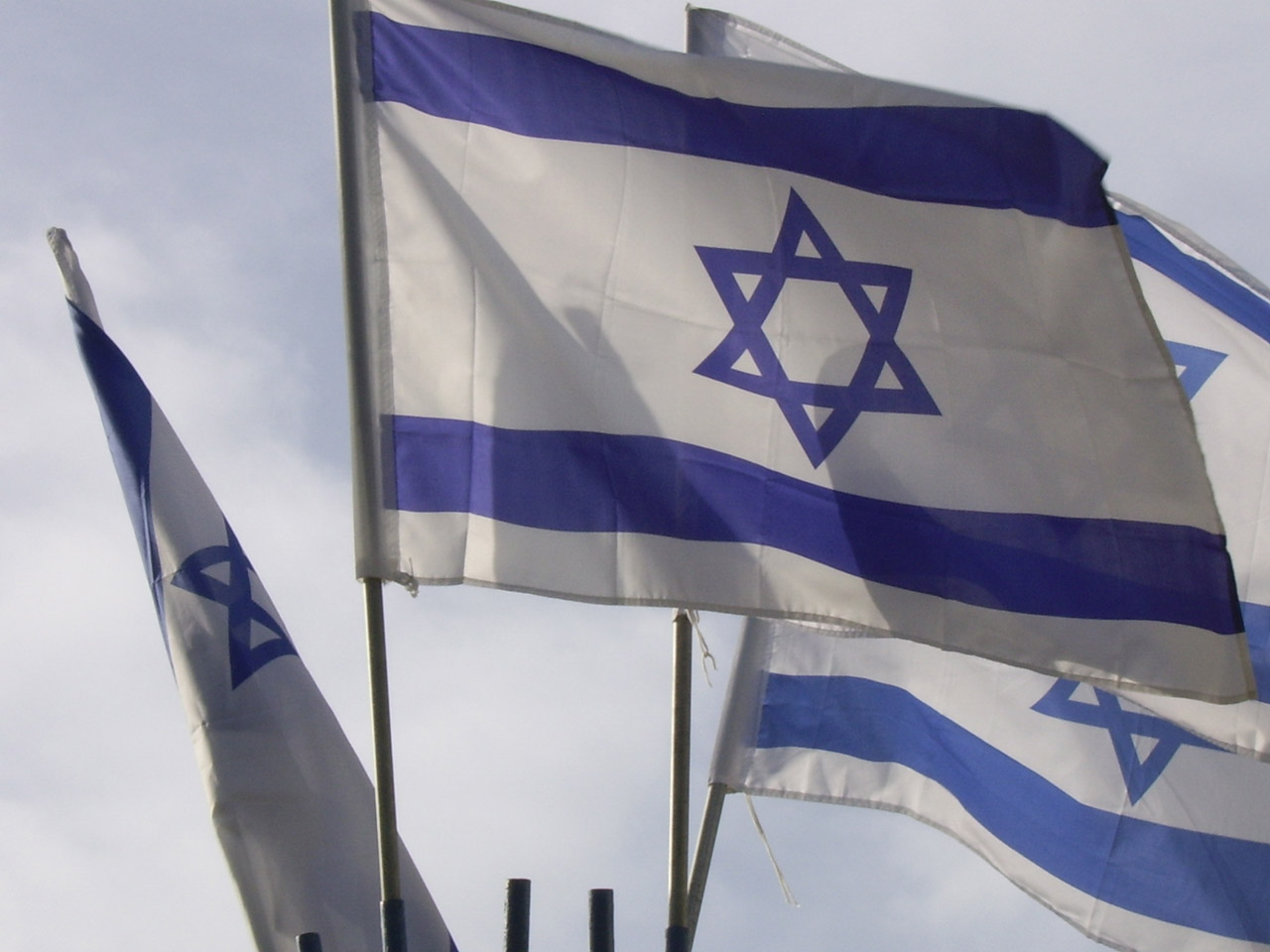
Image Reference: Marina Shemesh // CCO 1.0





Average Rating